
Herbal magick is the spiritual practice of working with plants to support intention, prayer, protection, healing, blessing, remembrance, and transformation. You do not need rare ingredients or complicated rituals to begin. A few familiar herbs, a clear purpose, and respectful handling are enough.
For beginners, the simplest approach is this: choose an herb, name your intention, take a meaningful action, and build a relationship with the plant over time. Herbal magick can be used in sachets, baths, altar offerings, floor washes, candle work, teas, oils, and ancestor veneration. Start small, stay safe, and keep notes so your practice becomes personal rather than copied.
What Is Herbal Magick?
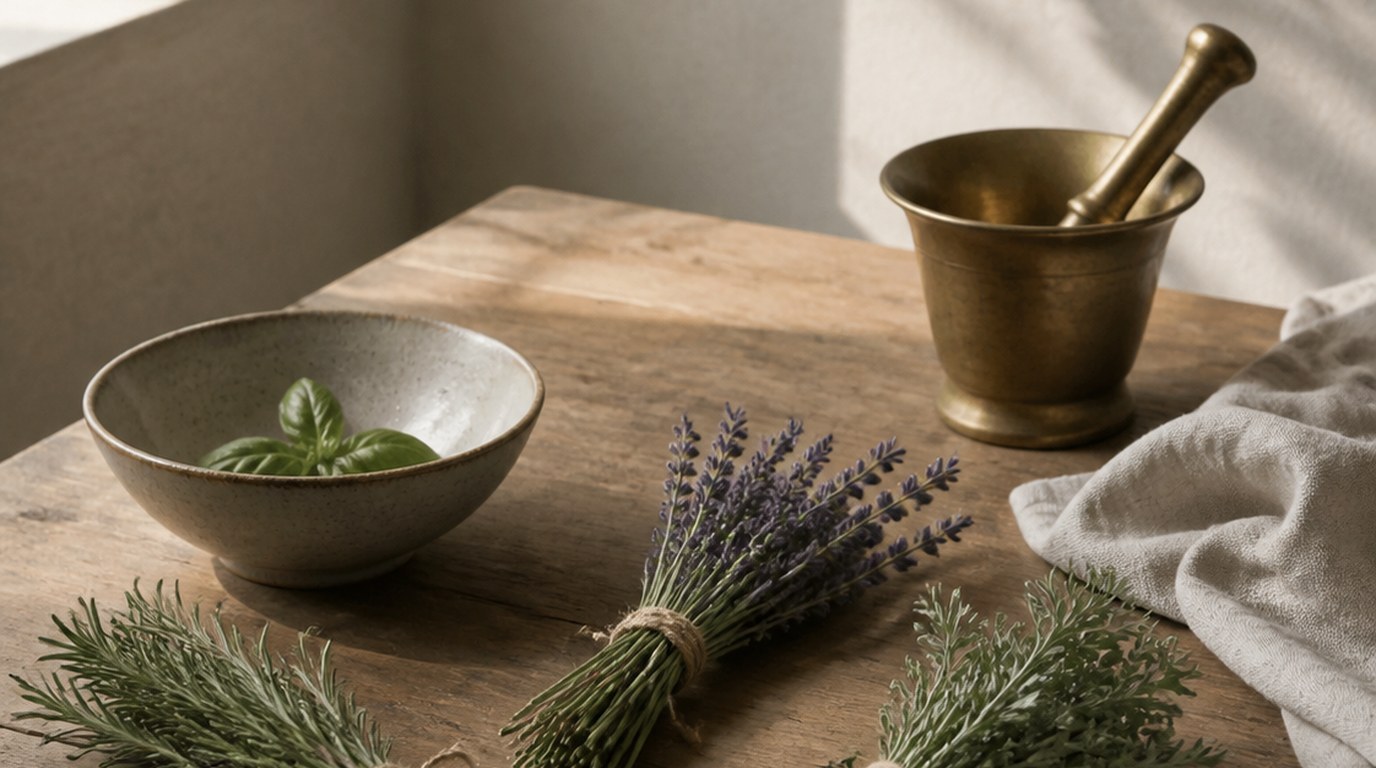
Herbal magick is the intentional spiritual use of plants. Each herb carries physical qualities, cultural meanings, ancestral associations, and energetic correspondences built through observation and tradition. Rosemary may be used for remembrance and protection; basil for blessing and prosperity; lavender for peace.
This practice is not just “using an herb because a list says so.” It is a relationship between the plant, your intention, your action, and the spiritual context. Herbal magick can be simple and devotional: placing rosemary on an ancestor altar, washing a doorway with basil water, or carrying mint for clarity and movement.
The Basic Mental Model: Herb, Intention, Action, Relationship
A beginner-friendly way to understand herbal magick is through four parts:
- Herb: the plant you choose and its spiritual associations.
- Intention: the purpose of the work, such as peace, protection, courage, or remembrance.
- Action: what you physically do, such as sprinkle, steep, carry, burn, bury, or place on an altar.
- Relationship: how respectfully and consistently you work with that plant.
For example, if you use lavender for peace, your intention might be “May this home be calm.” Your action could be placing dried lavender near your bed. Relationship grows when you notice how the herb feels, give thanks, and record results.
How to Choose Your First Herbs
Start with herbs you can identify, afford, and use safely. Kitchen herbs are excellent for beginners because they are familiar and easy to find. Choose three to five rather than buying a large collection.
Good first herbs include rosemary, basil, bay leaf, lavender, mint, chamomile, cinnamon, and thyme. If you cook with an herb, you already have a sensory relationship with it: scent, taste, memory, and mood. That matters.
Before using any herb, ask three questions: Is it safe to touch or inhale? Is it safe around children, pets, or pregnancy? Is it culturally appropriate for me to use this plant in this way? Practical care is part of spiritual respect.
Beginner Herbal Magick Correspondence Table
Use correspondences as starting points, not strict rules. Your family traditions, dreams, memories, and lived experience can deepen or change how an herb works in your practice.
| Herb | Common Magickal Uses | Simple Beginner Use |
|---|---|---|
| Rosemary | Protection, remembrance, cleansing | Place on an ancestor altar or by the front door |
| Basil | Blessing, prosperity, harmony | Add to a floor wash or money bowl |
| Bay Leaf | Wishes, clarity, success | Write an intention on a bay leaf and keep it on your altar |
| Lavender | Peace, sleep, emotional healing | Place in a sachet near the bed |
| Mint | Movement, freshness, prosperity | Carry dried mint when seeking opportunity |
| Chamomile | Calm, luck, gentle healing | Add to a spiritual bath or altar bowl |
| Cinnamon | Energy, attraction, speed | Use a small pinch in abundance work |
| Thyme | Courage, purification, strength | Add to protection sachets or cleansing water |
Simple Ways to Use Herbs in Magick
You can use herbs in many ways without making your practice complicated. A sachet is a small bag of herbs carried, placed under a pillow, or kept near a doorway. A spiritual bath uses steeped herbs added to bathwater or poured from the shoulders down. A floor wash brings herbal intention into the home through cleaning.
You can also use herbs in candle work by placing them around, not directly in, a candle flame. Herbs may be placed in bowls, jars, charm bags, offering dishes, or altar spaces. Some people burn herbs as smoke cleansing, but this is optional and should be done with ventilation, fire safety, and cultural awareness. Stillness, prayer, and placement can be just as powerful as smoke.
A Simple First Herbal Magick Ritual for Protection and Peace
For a first ritual, gather rosemary, lavender, a small bowl, clean water, and a white candle if you use candles. If not, skip the candle.
Place the herbs in the bowl and say: “Rosemary for protection, lavender for peace. May this home be guarded, calm, and blessed.” Pour a little clean water over the herbs. Hold your hands near the bowl and breathe slowly. Imagine your home filled with steady light.
Dip your fingers into the water and touch the front door frame, your bedroom door, or your altar space. Say: “Peace within, protection around.” When finished, thank the herbs. Dispose of them respectfully by composting, burying, or wrapping and placing them in the trash if composting is not possible.
Using Herbs on an Ancestor Altar
Herbs can be beautiful additions to an ancestor altar when offered with care. Rosemary is especially connected with memory and remembrance, making it a strong choice for honoring the dead. Basil may be offered for family blessing, lavender for peace, and bay leaf for prayers carried to the spirit world.
Keep offerings clean and intentional. You might place a small dish of dried herbs beside a photo, candle, glass of water, or inherited object. Speak plainly: “May this offering honor my beloved dead.” Replace herbs when they become dusty, stale, or spiritually “finished.”
Safety, Respect, and Common Beginner Mistakes
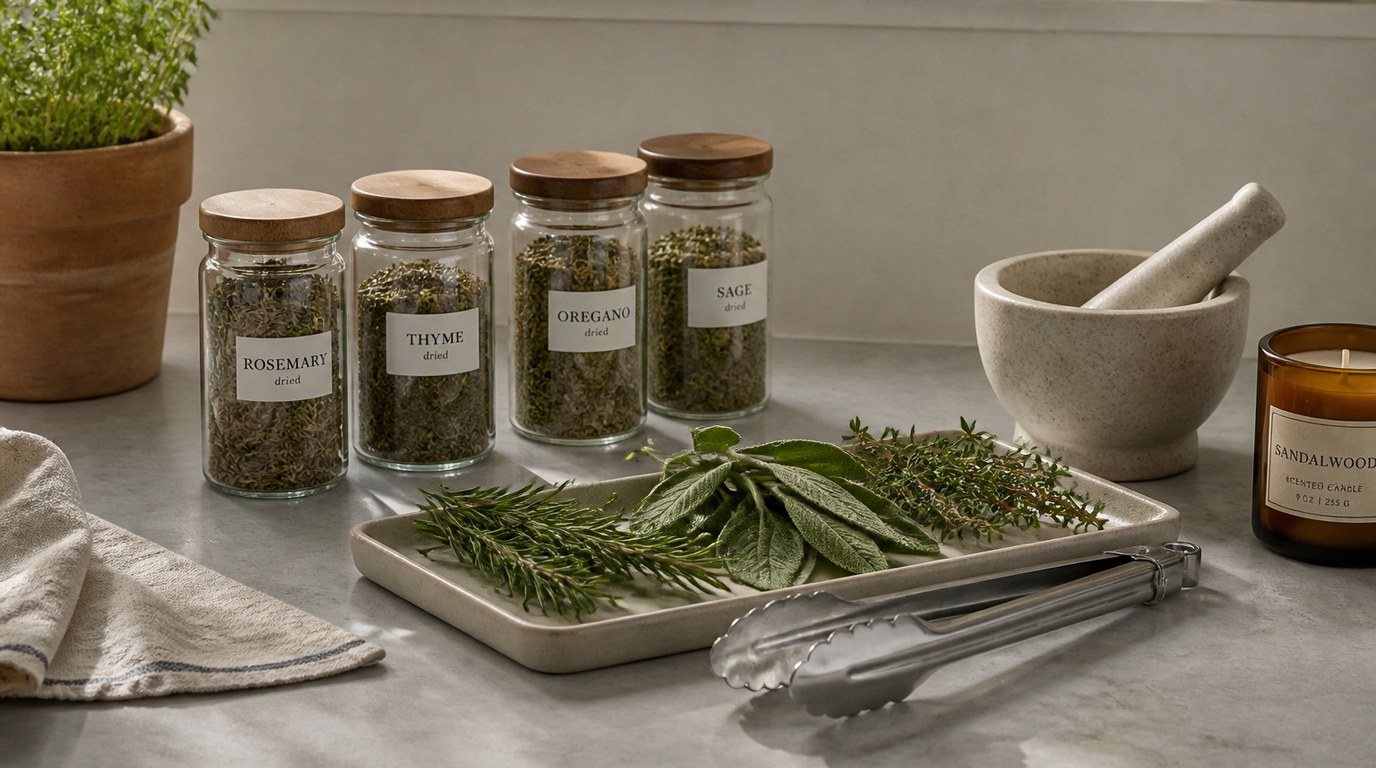
The biggest beginner mistake is assuming “natural” means safe. Some herbs are toxic, irritating, unsafe for pets, or unsuitable during pregnancy. Do not ingest herbs unless you know they are food-safe and appropriate for you. Keep herbs away from open flames unless you understand fire safety.
Another mistake is using sacred plants from cultures you are not connected to without learning their context. Respect matters. Also avoid buying too many herbs at once, copying spells without understanding them, or expecting instant results. Herbal magick grows through attention, repetition, humility, and honest observation.
How to Build a Personal Herbal Magick Practice Over Time
Begin with one herb per week. Learn its scent, taste if food-safe, folklore, planetary or elemental associations, and how it appears in your life. Use it in one small working, then write down what you did and what you noticed.
Create a simple herbal magick journal with pages for each plant: name, source, uses, safety notes, dreams, results, and ancestral connections. Over time, your practice becomes less dependent on correspondence lists and more rooted in lived relationship.
FAQ
What Herbs Should a Beginner Start with for Herbal Magick?
Start with rosemary, basil, bay leaf, lavender, mint, chamomile, thyme, or cinnamon. These are accessible, versatile, and easy to use in simple workings. Choose three to five at first so you can learn them well instead of collecting herbs you do not understand.
Do I Need to Be a Witch to Practice Herbal Magick?
No. Herbal magick can be practiced by witches, folk practitioners, spiritual workers, ancestor veneration practitioners, and people with personal devotional practices. What matters is intention, respect, safety, and consistency. Use language that fits your path, whether that is prayer, ritual, energy work, or blessing.
Can I Use Kitchen Herbs for Magick?
Yes. Kitchen herbs are often the best place to begin. Rosemary, basil, thyme, mint, cinnamon, and bay leaves are common household ingredients with strong spiritual associations. Because you already know their scent and use, they can feel more personal than rare or expensive herbs.
Is Burning Herbs Required in Herbal Magick?
No. Burning herbs is only one method. You can place herbs on an altar, steep them in water, carry them in a sachet, add them to a bath, or use them in a bowl or jar. If you do burn herbs, use ventilation, a fire-safe dish, and caution.
How Do I Dispose of Herbs After a Ritual?
Dispose of herbs respectfully and practically. Composting is ideal when the herbs are safe for soil. You may also bury them, return them to the base of a tree, or wrap them before placing them in the trash. Avoid putting salt-heavy or toxic mixtures into gardens or waterways.