
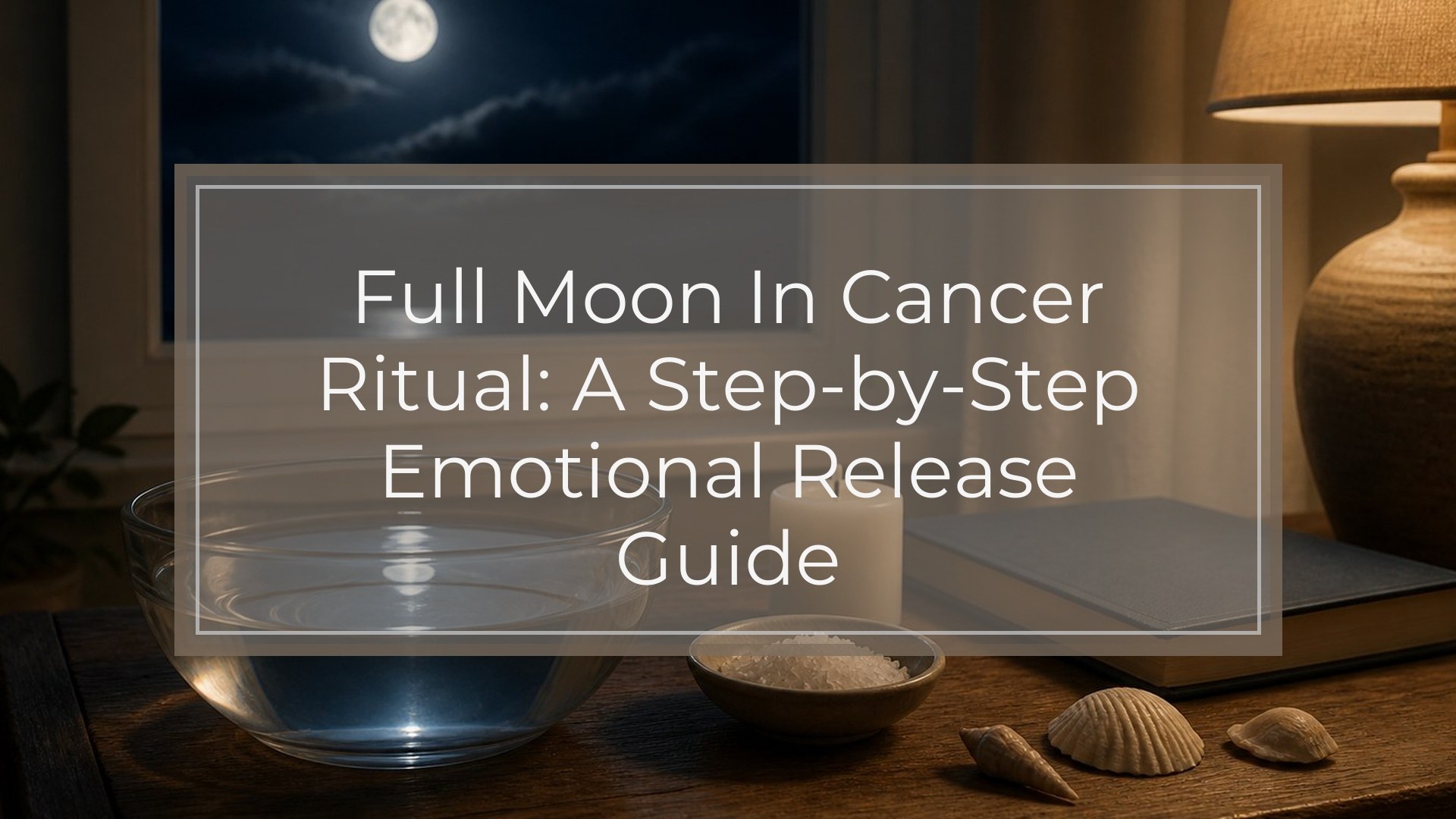
A full moon in Cancer ritual is a gentle home-based practice for emotional release, family healing, intuitive reflection, and ancestor connection. Cancer is associated with water, memory, home, caregiving, and the tender places we often protect. During this ritual, you will prepare a simple altar or quiet space, bless water, speak with your ancestors or beloved dead, write down what you are ready to release, and make an offering of care.
You do not need expensive tools or advanced astrology knowledge. The heart of the ritual is honest attention: tending your home, your body, your grief, your boundaries, and your lineage with respect.
What This Full Moon in Cancer Ritual Is for
This ritual is for releasing emotional heaviness, blessing the home, softening family pain, and inviting steadier inner care. It is especially supportive when you feel sensitive, nostalgic, overwhelmed, or ready to stop carrying old patterns.
Use it to honor your ancestors, beloved dead, chosen family, or protective guides while also caring for yourself. The goal is not to force healing in one night. The goal is to create a safe container for truth, release, gratitude, and rest.
Before You Begin: Timing, Space, and Spiritual Safety
You can do this ritual on the night of the Full Moon in Cancer, the day before, or the day after. Choose a private, calm place where you will not be interrupted: an altar, bedside table, kitchen table, windowsill, or clean floor space.
Do not leave candles unattended. If smoke cleansing is unsafe for your lungs, pets, children, lease, or fire alarms, skip it. Use sound, prayer, water, or simple tidying instead.
Do not pressure yourself to cry, forgive, remember, or “complete” grief. If trauma, panic, or intense grief arises, pause the ritual and seek real support from a trusted person, therapist, counselor, elder, or crisis resource.
What You Need for the Ritual

Gather simple items before you begin:
- A bowl or glass of clean water
- A white, silver, or light-colored candle
- A small dish for offerings
- Journal and pen
- A family-safe photo, ancestor symbol, or meaningful object, if desired
- A pinch of salt
- Flowers, a shell, moonstone, or clear quartz, if available
- Comforting tea, food, fruit, bread, rice, or milk for offering
Use substitutions freely. A plain cup of water and a sincere prayer are enough. Intention, respect, and safety matter more than rare crystals, perfect altar cloths, or expensive ritual supplies.
Step 1: Prepare Your Home or Altar Space
Tidy the area where you will work. Wipe the altar, table, or surface with a clean cloth. Place the bowl or glass of water in the center. Set the candle on a stable, heat-safe surface away from curtains, papers, pets, and loose sleeves.
Arrange ancestor objects, home symbols, flowers, shells, or photos around the water. If you use ancestor images, choose only those that feel safe and appropriate.
Say quietly: “I invite only well, wise, loving, and protective guidance into this space. May this home be held in peace.”
Step 2: Ground Your Body and Set the Emotional Intention
Sit or stand comfortably. Place both feet on the floor. Take three slow breaths, letting your exhale be longer than your inhale. Put one hand over your heart and one over your belly.
Notice what you feel without judging it. You might name sadness, anger, longing, fear, resentment, exhaustion, or tenderness. Choose one emotional pattern to release tonight.
Say: “I do not have to carry everything. I am willing to feel what is true and release what is no longer mine.”
Step 3: Light the Candle and Bless the Water
Light the candle carefully. Let it represent warmth, protection, memory, and loving presence. Hold the bowl or glass of water in both hands, or place your palms near it.
Speak a blessing that matches Cancer full moon themes of softness, home, cleansing, and protection:
“Sacred water, hold what I am ready to release. Full moon, illuminate my heart with gentleness. Ancestors and loving dead who walk in wisdom, help me cleanse this home, steady my emotions, and remember the care that still surrounds me.”
Set the water back in the center of the space.
Step 4: Speak with Your Ancestors or Beloved Dead
Address only benevolent ancestors, loving dead, or protective guides. You can speak aloud, whisper, or speak inwardly.
Thank them for the life, strength, skills, protection, songs, prayers, recipes, survival, or wisdom that reached you. Then name one family pattern you are ready to stop carrying, such as silence, overgiving, emotional avoidance, shame, or fear of rest.
If you do not have ancestor photos, use the candle. If your family history is painful or unknown, say: “I call on the healed, wise, and loving ones of my line, known and unknown, and any chosen protectors who support my wellbeing.”
Step 5: Write Down What You Are Releasing
Open your journal and answer these three prompts:
- What feeling am I ready to release?
- What family or home pattern no longer belongs to me?
- What comfort am I willing to receive?
Write plainly. You do not need beautiful words. When you are finished, read the answers once.
If it feels right, tear the paper into pieces and place it beside the water. You may also fold it away in your journal. Avoid burning paper indoors unless you have a safe, fireproof setup and full supervision.
Step 6: Make an Offering of Care
Place your offering on the dish. Good choices include fresh water, tea, milk, fruit, rice, bread, flowers, or a small portion of home-cooked food.
Offerings are an act of gratitude, not a bargain. You are not paying spirits to fix your life. You are practicing relationship, remembrance, and care.
Say: “May this offering be received with love. Thank you for the care that has carried me, and for the care I am learning to give myself.”
Dispose of food offerings respectfully before they spoil, following your tradition and household safety.
Step 7: Close the Ritual and Return to the Body
Thank your ancestors, beloved dead, guides, and the moon. Say clearly: “This ritual is complete. Only peace, protection, and blessing remain in this home.”
Snuff the candle, or let it burn only if you are awake and supervising it. Wash your hands. Drink water. Eat something grounding, such as bread, rice, soup, fruit, or a warm meal.
Cancer full moon work can feel tender. Do not rush into chores, arguments, or intense decisions. Rest, take a shower, wrap yourself in a blanket, or go to sleep.
How to Know the Ritual Worked
The ritual worked if you feel even slightly clearer, calmer, softer, or more complete. You may cry, yawn, feel warmth, sleep deeply, want to clean your home, or suddenly understand a boundary you need.
You may also feel quiet rather than dramatic. That is still valid. Spiritual work does not need fireworks to be real. Look for small signs of release: easier breathing, less inner pressure, or a sense that something has been acknowledged.
Common Mistakes and Troubleshooting
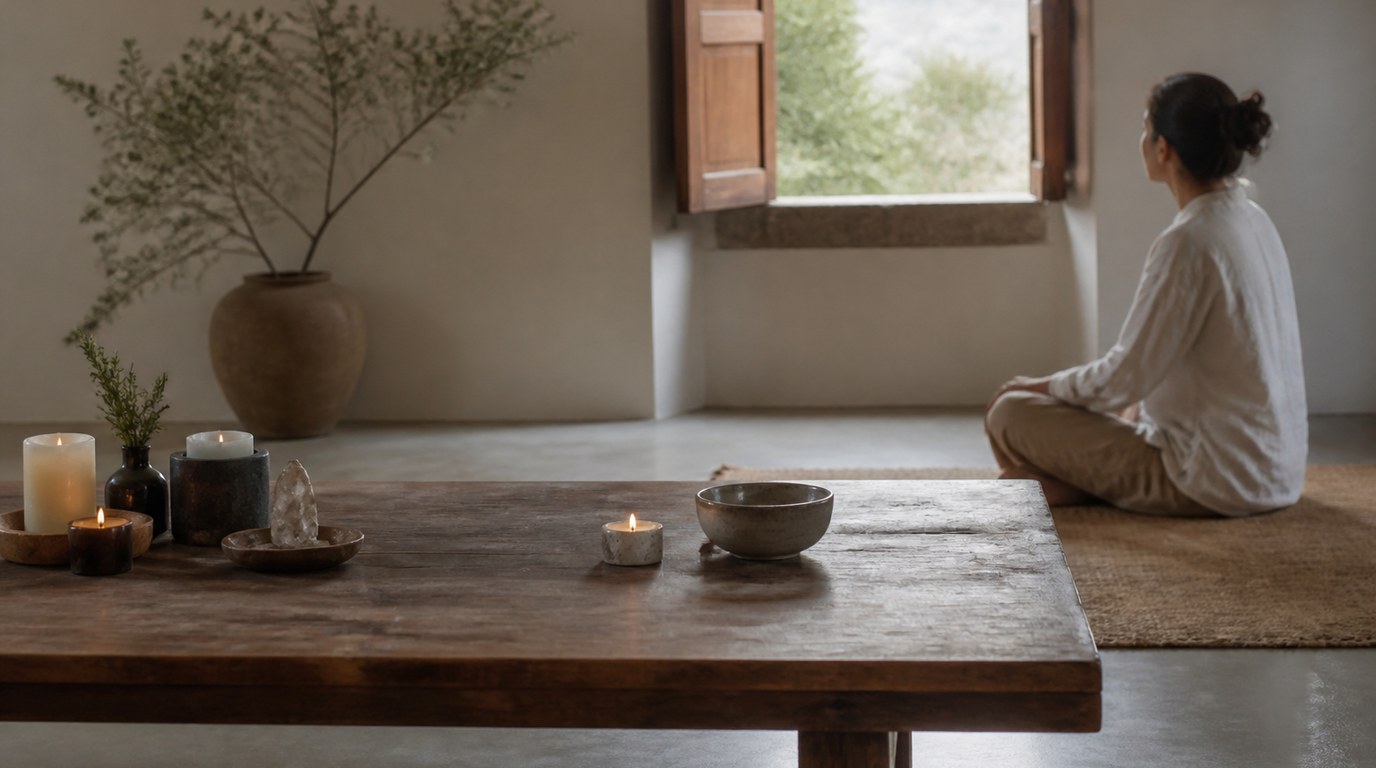
A common mistake is doing too much: too many candles, too many ancestors, too many emotional themes. Fix this by choosing one intention and one offering.
Do not force forgiveness. Releasing a pattern does not mean excusing harm. If you feel overwhelmed, pause, breathe, open a window, touch the floor, and drink water.
Avoid unsafe candle or smoke practices. Use electric candles, sound, prayer, or water if needed. Do not skip closure; always thank, end the ritual, and return to your body.
If ancestor work feels frightening, stop. Pray for protection, remove photos, snuff the candle, and try a simple self-care moon ritual another night. Healing should feel respectful, not coercive.
FAQ
Can I Do a Full Moon in Cancer Ritual Without an Ancestor Altar?
Yes. Use a clean table, windowsill, bedside space, or even a tray. A bowl of water, candle, and sincere intention are enough. If you want ancestor connection, you can speak to loving ancestors by name, to unknown healed ancestors, or to protective guides.
What Should I Release During the Full Moon in Cancer?
Release emotional patterns connected to home, family, safety, caregiving, memory, and belonging. This may include over-nurturing, resentment, fear of needing help, inherited shame, emotional withdrawal, or holding grief alone. Choose one pattern rather than trying to heal everything at once.
What Offerings Are Best for a Cancer Full Moon Ritual?
Water is especially fitting. Tea, milk, rice, bread, fruit, flowers, soup, or a small home-cooked portion also work well. Choose something that represents nourishment and care. Keep offerings fresh, simple, and safe, and dispose of food before it spoils.
Is It Okay to Cry During This Ritual?
Yes. Crying can be a natural release, especially under a Cancer full moon. Let tears come without forcing them. If crying becomes overwhelming, slow down, breathe, touch something solid, drink water, and stop the ritual if needed. Your safety matters most.
Can I Do This Ritual with Family Members?
Yes, if everyone feels emotionally safe and willing. Keep it simple: light one candle, bless water, share one release intention, and make a shared offering. Do not pressure anyone to disclose trauma, forgive relatives, or participate in ancestor work that feels uncomfortable.