
Healing death does not mean making death painless, simple, or free of grief. It means meeting death with more presence, dignity, honesty, and spiritual care. A death doula supports this process by offering non-medical, non-legal, and non-clinical care before, during, and sometimes after death.
Their role may include emotional support, legacy work, bedside presence, ritual planning, family communication, vigil support, and remembrance practices. For families who keep ancestor altars or practice home-based veneration, a death doula may also help create respectful transitions from dying, to death care, to ongoing remembrance.
A death doula does not replace hospice, doctors, therapists, funeral directors, clergy, or attorneys. Instead, they help hold the human and sacred middle ground: the conversations, choices, rituals, fears, blessings, and memories that surround the end of life.
Quick Answer
The main takeaway: a death doula helps people and families move through dying with practical support, emotional steadiness, and spiritual meaning. In the context of healing death, their work is less about “fixing” death and more about reducing isolation, increasing clarity, and honoring the person who is dying.
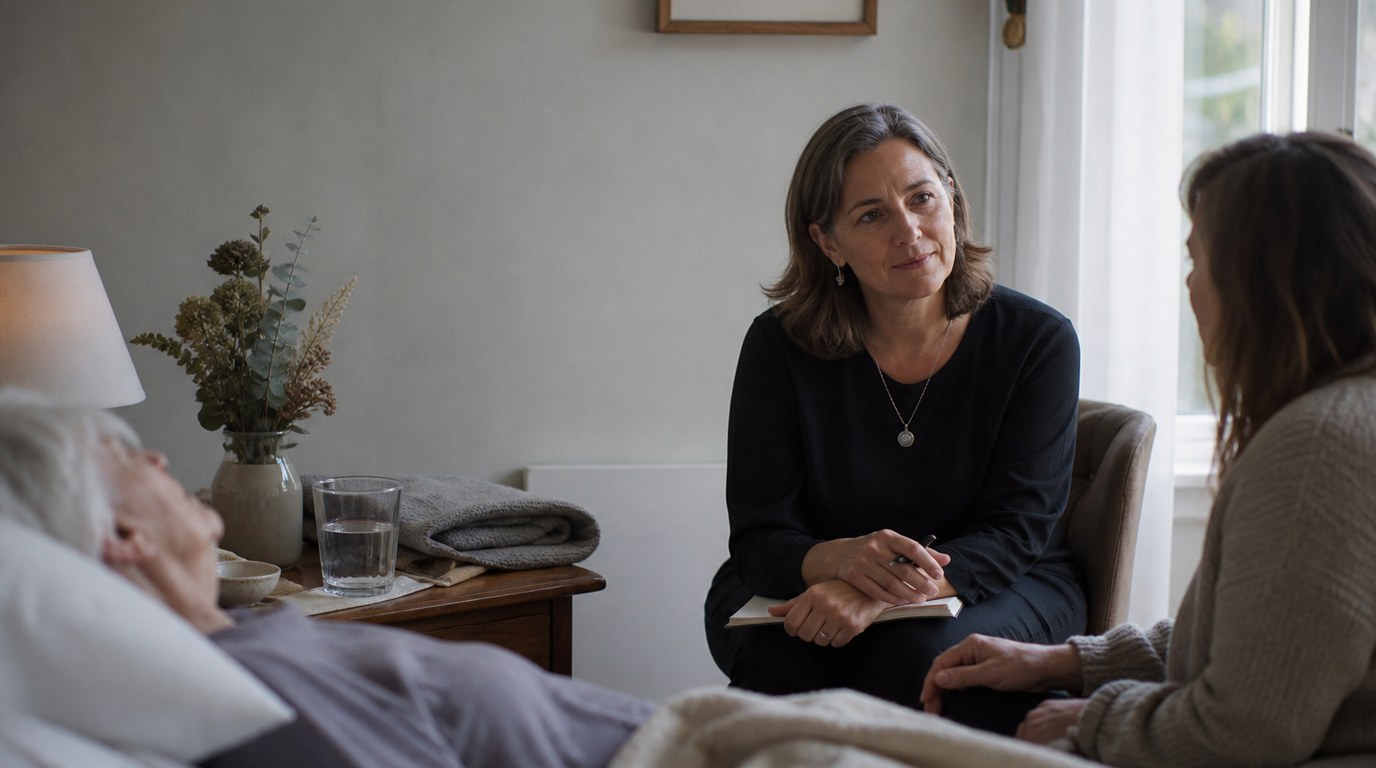
A death doula may be involved before death by helping someone reflect on their life, write letters, record stories, plan rituals, choose music, identify visitors, or name what kind of atmosphere they want near the end. During active dying, a doula may sit vigil, support family members, create a calm room, guide simple prayers or silence, and help loved ones understand what is happening. After death, they may help with initial grief support, altar creation, memorial rituals, or remembrance practices.
This kind of care is especially meaningful when families want death to feel less hidden and more relational. A doula can help people speak honestly, say what needs to be said, and create rituals that match their values.
Healing death is not about denying sorrow. It is about making space for love, grief, unfinished words, ancestral connection, and the sacred reality of transition.
How to Think About This Topic
A useful way to understand healing death and the role of the death doula is to separate three kinds of care: medical care, logistical care, and meaning care.
Medical care addresses symptoms, pain management, medication, and clinical decisions. This is the work of physicians, nurses, hospice teams, and other licensed providers. Logistical care includes legal documents, funeral arrangements, estate matters, transportation, and disposition of the body. This may involve attorneys, funeral homes, estate planners, and family decision-makers.
Meaning care is where the death doula often stands. This includes emotional presence, ritual, memory, spiritual comfort, family communication, and the atmosphere around dying. A doula asks questions such as: What does this person need to feel respected? What remains unsaid? What fears are present? What blessings, prayers, songs, objects, or traditions should be near the bedside? How will the family remember this person after death?
| Stage | Death Doula Support | Example |
|---|---|---|
| Before death | Reflection, planning, legacy work | Recording stories, writing letters, choosing bedside rituals |
| Active dying | Presence, vigil, family support | Holding silence, playing sacred music, guiding gentle prayer |
| After death | Grief and remembrance support | Creating an ancestor altar, planning a memorial ritual |
This mental model helps prevent confusion. A death doula is not there to diagnose, prescribe, perform therapy, draft legal documents, or replace religious leadership. Some doulas may have additional credentials, but the doula role itself is primarily supportive, relational, and non-medical.
For readers interested in ancestor altar practice, this role can be especially relevant. Death is not only an ending; in many traditions, it is also a shift in relationship. A loved one may move from living family member to remembered ancestor. That transition benefits from care. A doula might help a family choose a photo, gather meaningful objects, light a candle, prepare water or flowers, or hold a simple moment of gratitude before placing someone’s memory on an altar.
The key is respect. A good death doula does not impose beliefs. They listen for the family’s language, culture, boundaries, and spiritual framework. Healing death begins when the person dying is treated as whole, and the family is supported as they cross a threshold together.
Practical Guidance

Consider calling a death doula when death feels emotionally overwhelming, spiritually important, or practically confusing. You do not need to wait until the final hours. In many cases, the earlier a doula is invited, the more helpful they can be.
Before death, a doula can support life review and legacy work. For example, they may help someone record their favorite memories, write notes to grandchildren, choose who should be present at the bedside, or name what kind of spiritual support they want. This can be simple: a playlist, a prayer, a favorite blanket, a bowl of water, a candle, or a list of people to call.
During active dying, the doula may help create steadiness in the room. Families often feel unsure about what to do. A doula can remind them to speak gently, touch with permission, pause when the room becomes crowded, and allow silence. They may guide a vigil, read sacred words, hold space for tears, or help family members take breaks. This presence can reduce panic and help loved ones remain connected.
After death, support may continue through grief rituals and remembrance. A doula might help the family wash hands after leaving the bedside, sit in silence before calling the funeral home, prepare a home altar, or plan a 7-day, 30-day, or annual remembrance practice depending on the family’s tradition. For an ancestor altar, this might include a framed photo, fresh water, flowers, a small offering, and spoken words of welcome and gratitude.
When choosing a death doula, look for clear boundaries and a calm presence. Ask about training, experience, fees, availability, and scope of practice. A trustworthy doula should be comfortable collaborating with hospice, clergy, funeral professionals, and family caregivers. They should not pressure you into unfamiliar rituals, make medical claims, or override the wishes of the dying person.
Helpful questions to ask include:
- What kind of end-of-life support do you offer before, during, and after death?
- How do you work with hospice or medical teams?
- Are you comfortable supporting our spiritual or cultural practices?
- What do you not do in your role?
- How do you handle family disagreement or intense grief?
- What are your fees and availability?
Avoid treating the death doula as a substitute for essential planning. Legal documents, medical directives, hospice enrollment, and funeral arrangements still matter. The doula’s role is to support the human experience around those decisions, not to replace the professionals responsible for them.
Also avoid overcomplicating ritual. Meaningful death care does not require elaborate ceremony. A hand on the shoulder, a candle lit with intention, a bowl of water refreshed daily, a song played softly, or the words “we remember you” can be powerful. The best rituals are the ones that feel honest, respectful, and connected to the person who has died.
Healing death is practical and sacred at once. It asks: What needs to be tended? The body may need medical care. The family may need guidance. The spirit may need blessing. The memory may need a place to live. A death doula helps bring these needs into view so the final chapter is held with as much dignity and love as possible.
FAQ
What Should a Beginner Know First About Healing Death and the Role of the Death Doula?
Start with this: a death doula offers non-medical support around dying, death, and remembrance. They help with presence, conversation, ritual, legacy, and family steadiness. Healing death does not erase grief; it helps people meet death with more care, dignity, and meaning.
What Matters Most When Evaluating Healing Death and the Role of the Death Doula?
The most important factors are fit, boundaries, and trust. A good death doula listens well, respects the dying person’s wishes, understands their scope, and collaborates with hospice or other professionals. Their presence should feel grounding, not controlling or performative.
What Mistakes Should Readers Avoid with Healing Death and the Role of the Death Doula?
Avoid waiting until crisis if earlier support is possible. Also avoid assuming a doula replaces medical, legal, therapeutic, or funeral professionals. Be cautious with anyone who pressures your family spiritually, makes medical promises, or dismisses the dying person’s stated preferences.
What Is the Next Logical Step After Learning About Healing Death and the Role of the Death Doula?
Begin by discussing wishes with the person who is ill, if possible. Ask what comfort, rituals, visitors, music, prayers, or remembrance practices matter to them. Then contact hospice, relevant professionals, and a death doula whose approach aligns with your family’s values.