

Quick Answer
Energy clearing means intentionally shifting the feeling, focus, or spiritual atmosphere of a person, room, object, or altar. In practical terms, it is a ritual way of saying: “This space is being reset. What is heavy, stagnant, distracting, or unwelcome is being released, and what is steady, respectful, and life-giving is being invited in.”
Some people understand energy clearing as a spiritual act that affects subtle energy. Others experience it more psychologically: scent, sound, prayer, cleaning, and focused attention can change how a space feels and how people behave in it. Both views can be meaningful, as long as the claims stay grounded. Energy clearing can support intention, emotional reset, reverence, and a sense of order. It should not be treated as a guaranteed cure for illness, conflict, danger, or every spiritual concern.
In an ancestor altar context, reframing energy clearing can be especially helpful. Instead of treating it as a fearful attempt to “get rid of bad energy,” you can approach it as care: tending the altar, refreshing offerings, speaking with respect, and maintaining a clear boundary between daily clutter and sacred attention.
A simple clearing might include opening a window, wiping the altar surface, lighting a candle, ringing a bell, offering water, and saying a short prayer. The power is not only in the tool. It is in the intention, consistency, cultural respect, and the relationship you are tending.
How to Think About This Topic

A useful way to understand reframing energy clearing is to see it as a practice of attention, boundary, and renewal. The word “energy” can mean different things depending on the person. For some, it refers to a felt spiritual atmosphere. For others, it names emotional residue, tension, memory, or the mood that gathers in a room after stress, grief, conflict, or neglect. Because the term is broad, it helps to avoid making every experience sound mysterious. Sometimes a room feels heavy because it needs fresh air, cleaning, rest, or a difficult conversation. Sometimes a person interprets that heaviness spiritually. Often, both layers matter.
Energy clearing is not one single universal tradition. Many cultures have practices for blessing, cleansing, protecting, purifying, or preparing sacred space. These may involve water, smoke, herbs, prayer, sound, sweeping, salt, incense, song, or spoken words. The meanings differ across lineages and communities. For that reason, respectful practice matters. Not every tool belongs to every person, and not every ritual should be copied without understanding its origin.
In home and ancestor altar work, energy clearing is often less dramatic than people imagine. It can be as simple as removing old offerings, dusting the altar, refreshing water, straightening photographs, and speaking aloud: “May this space be clean, honored, and peaceful.” This kind of clearing is not about panic. It is about relationship. You are showing that the altar is not just decoration; it is a place of remembrance, devotion, and care.
A common misconception is that energy clearing must feel intense to be effective. Another is that one session should permanently remove every uncomfortable feeling. In reality, spaces are lived in. People argue, grieve, celebrate, cook, work, and rest in them. Energy clearing, understood practically, is closer to bathing, sweeping, or prayer: a repeated act of renewal, not a one-time fix.
Another misconception is that any discomfort means something “negative” is present. Discomfort can come from many sources: dust, clutter, poor sleep, emotional stress, family memories, unresolved grief, or the nervousness of beginning spiritual practice. Careful interpretation is important. Energy clearing can support reflection, but it should not replace practical action, mental health care, safety planning, or honest communication.
The most balanced approach is to let energy clearing be meaningful without forcing certainty. You can say, “This helps me feel grounded and spiritually aligned,” without claiming, “This always removes all harmful forces.” That distinction keeps the practice respectful, useful, and honest.
Practical Guidance
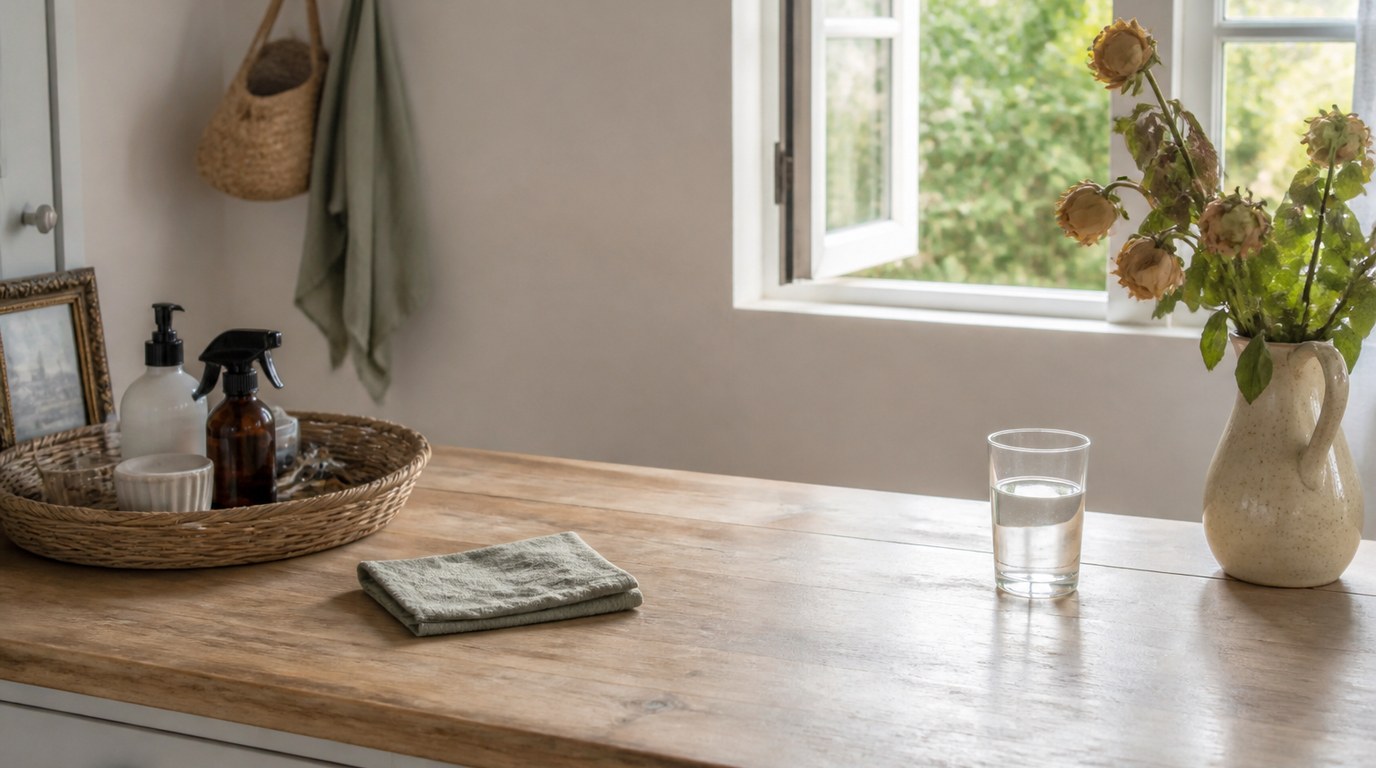
Begin with the physical layer. Before reaching for smoke, bells, sprays, or prayers, look at the space itself. Is there trash, dust, stale water, old food, dead flowers, clutter, or objects that do not belong? In many spiritual traditions, cleanliness and order support sacred attention. For an ancestor altar, this might mean removing expired offerings, washing the offering glass, wiping the surface, and placing items back with care.
Next, choose a clearing method that fits your beliefs, culture, household, and health needs. Smoke is common, but it is not required. Some people use incense, rosemary, bay leaf, frankincense, copal, or other materials connected to their background. Others avoid smoke because of asthma, pets, children, building rules, or personal preference. Alternatives include ringing a bell, clapping in corners, sprinkling clean water, using prayer, playing devotional music, opening windows, sweeping from back to front, or simply placing both hands over the altar and speaking intention.
For ancestor altar work, a gentle sequence might look like this:
- Wash your hands.
- Remove old offerings and dispose of them respectfully.
- Wipe the altar surface.
- Refresh water, flowers, food, candle, or other offerings as appropriate.
- Light a candle or use another focus point.
- Speak a simple clearing prayer.
- Sit quietly for a moment before leaving the space.
The words do not need to be elaborate. You might say: “Beloved ancestors who wish me well, I honor you. May this altar be clear, peaceful, and protected. May anything not aligned with love, wisdom, and right relationship depart. May this home be steady and blessed.” Adapt the language to your tradition and comfort.
Consider the situation when deciding how often to clear. A daily altar may need light tending often: fresh water, a quick wipe, a few words. A deeper clearing may feel appropriate after arguments, illness, visitors, grief anniversaries, moving furniture, returning from travel, or before important rites. If you are new, weekly or monthly is enough to build rhythm without becoming anxious.
Also pay attention to your own body. If a ritual makes you fearful, obsessive, or convinced that every small problem is spiritual attack, pause and simplify. Clearing should support steadiness, not create dependence. You do not need to keep buying more tools or performing more complex rituals to be “safe.” Often the strongest clearing is consistent care: clean space, honest prayer, good boundaries, and respectful offerings.
In shared homes, be considerate. Ask before using smoke or strong scents. Do not perform rituals over another person’s belongings without consent. If you are clearing after conflict, pair ritual with practical repair: apologize, rest, set boundaries, or have the needed conversation. Spiritual practice works best when it strengthens responsible action.
FAQ
Is Energy Clearing the Same as Cleansing?
They are closely related, and many people use the terms interchangeably. “Cleansing” often emphasizes removing heaviness, impurity, or spiritual residue. “Energy clearing” can also include resetting focus, blessing, and inviting peace. The exact meaning depends on the tradition, person, and ritual context.
Do I Need Sage to Clear Energy?
No. Sage is not required. Some sage practices come from specific Indigenous traditions and should be approached with cultural respect. You can clear with prayer, sound, water, incense, sweeping, fresh air, candlelight, or altar tending. Choose methods that fit your lineage, values, and home.
How Often Should I Clear My Altar or Home?
Clear lightly whenever the space feels neglected, dusty, tense, or spiritually unfocused. For an ancestor altar, refreshing water and tidying regularly may be enough. Deeper clearing can be done monthly, seasonally, after conflict, before rituals, or when making major changes in the home.
Can Energy Clearing Remove Spirits?
Some traditions teach rituals for dismissing, blessing, or setting boundaries with spirits, but results should not be stated as guaranteed. Basic energy clearing is best understood as a respectful reset. If you feel seriously disturbed or unsafe, seek trusted spiritual, community, and practical support.
What Should I Say During Energy Clearing?
Use clear, respectful words. For example: “May this space be cleansed, peaceful, and protected. May what is harmful or unwelcome leave. May love, wisdom, and right relationship remain.” At an ancestor altar, you can address only the ancestors who wish you well.