
Samhain is a seasonal threshold: a time to face darkness, remember the dead, and listen more carefully to what is usually hidden beneath daily life. In ancestor spirituality, it is not only about “contacting spirits.” It is about reverence, memory, gratitude, grief, protection, and continuity.
The darkness of Samhain can be understood as sacred stillness rather than fear. It invites slower ritual, honest reflection, and respectful attention to ancestors of blood, lineage, land, craft, and spirit. Through a simple ancestor altar, offerings, prayer, candlelight, and grounded boundaries, Samhain becomes a home-based practice of honoring the dead while staying rooted in the living world.
What Samhain Means in Ancestor Spirituality
Samhain marks the seasonal descent into the darker half of the year in many modern pagan and earth-based spiritual practices. Through the lens of ancestor veneration, it is a time when attention turns toward those who came before: beloved dead, older generations, forgotten kin, spiritual predecessors, and the wider mystery of lineage.
This does not require one fixed tradition or a claim that every person experiences Samhain the same way. Practically, Samhain ancestor spirituality asks: Who made my life possible? What wisdom, wounds, blessings, and responsibilities have I inherited? What should be remembered, released, repaired, or honored?
At an ancestor altar, these questions become tangible through photos, candles, food, water, names, silence, and prayer.
The Spiritual Meaning of Darkness at Samhain
Samhain darkness is often misunderstood as something frightening. Spiritually, darkness can also mean rest, gestation, mystery, and depth. Seeds germinate in darkness. Sleep restores the body in darkness. Grief often moves quietly through the dark before it can be spoken.
At Samhain, darkness invites you to stop performing certainty. You may not know everything about your ancestors. You may not have perfect family stories. You may carry mixed feelings about the dead. The season gives space for honesty without rushing toward resolution.
Working with darkness can be as simple as lighting one candle in a dim room and allowing the contrast to teach you: the unseen is not automatically unsafe, and the unknown does not need to be forced into clarity.
Ancestors, the Dead, and the Unseen: a Clear Mental Model
A grounded Samhain practice benefits from clear distinctions. “Ancestors” may include blood relatives, adoptive family, chosen kin, cultural elders, spiritual teachers, and people whose labor or courage made your life possible. “The dead” is a broader category: not every dead person is your ancestor, and not every spirit needs your attention.
“The unseen” can refer to spiritual presence, intuition, dreams, memory, emotional insight, ancestral patterns, or subtle experiences that feel meaningful but cannot be proven. A respectful practice does not need to exaggerate these experiences.
Think of Samhain as three overlapping circles: remembrance, relationship, and mystery. Remembrance is naming and honoring. Relationship is offering, prayer, gratitude, and ethical repair. Mystery is the part you approach humbly, without demanding messages or certainty.
Core Themes of Samhain Ancestor Spirituality
Samhain ancestor practice often centers on a few core themes.
First is remembrance: speaking names, telling stories, cooking familiar foods, or preserving family traditions. Second is gratitude: acknowledging sacrifices, skills, protection, migration, survival, and love that moved through generations. Third is grief: allowing sorrow for those who died, those never known, and those whose stories were lost.
Fourth is discernment. Not every inherited pattern should be continued. Samhain can help you bless what is life-giving and release what is harmful. Fifth is protection: tending your home, your energy, and your boundaries during spiritually sensitive work.
Finally, Samhain asks for reciprocity. Ancestor veneration is not only asking for guidance. It is also offering care, living well, healing what you can, and becoming a good ancestor in your own time.
How to Set up a Simple Samhain Ancestor Altar
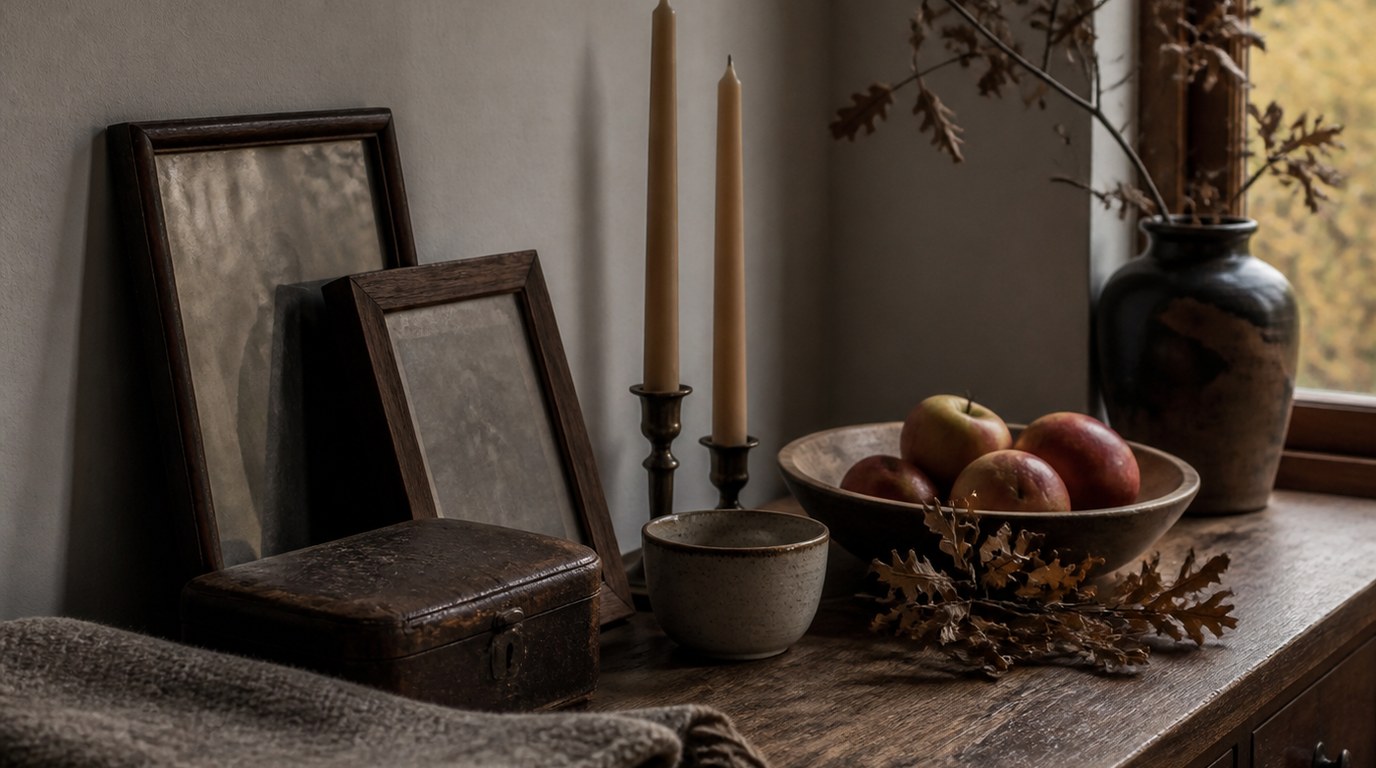
A Samhain ancestor altar can be simple, beautiful, and respectful. Choose a clean surface where offerings will not be disturbed. Add a cloth, candle, bowl of water, and representations of ancestors such as photos, written names, heirlooms, or symbols. If you do not know your family history, use a candle for “the well and wise ancestors who wish me good.”
Keep the altar focused. You do not need many objects; you need sincere attention. Avoid placing photos of living people on an altar for the dead unless your tradition specifically supports it.
| Altar Item | Purpose |
|---|---|
| Candle | Welcomes light, prayer, and attention |
| Water | Offers refreshment and spiritual clarity |
| Food or drink | Shows hospitality and remembrance |
| Photos or names | Anchors memory and relationship |
| Seasonal items | Connects the altar to Samhain’s darkening season |
Refresh offerings regularly and dispose of them respectfully.
A Grounded Samhain Ritual for Honoring Ancestors
Begin by cleaning the altar space and washing your hands. Take three slow breaths. Light a candle and say, “I welcome the well and wise ancestors, the beloved dead, and those who come in peace and blessing.”
Offer water, tea, bread, fruit, or a small portion of a family dish. Speak the names you know. For those you do not know, say, “For the ancestors whose names were lost, I remember you.” You may share gratitude, grief, or a simple update from your life.
Sit quietly for a few minutes. Do not strain for visions or messages. Notice feelings, memories, or calm. When ready, thank the ancestors: “May there be peace between us. May what is good continue. May what is harmful end here.”
Extinguish the candle, ground yourself by eating or touching the floor, and record any reflections.
Working with the Unseen Safely and Respectfully
Safety in Samhain practice begins with boundaries. You are allowed to decide whom you invite, how long the ritual lasts, and what kind of contact you are open to. Call only on well, wise, loving, healed, or benevolent ancestors. You do not need to engage with every presence, feeling, or image that arises.
Respect also matters. Do not treat spirits as entertainment, and do not pressure yourself or others to receive messages. Avoid rituals when you are exhausted, intoxicated, emotionally overwhelmed, or unable to close the practice clearly.
A simple boundary statement is enough: “Only those aligned with blessing, healing, and truth may be present here.”
Signs, Dreams, and Messages During Samhain

Some people notice vivid dreams, repeated symbols, sudden memories, meaningful songs, animal encounters, or a strong sense of presence around Samhain. These experiences can be spiritually meaningful, but they do not need to be treated as guaranteed communication.
Use discernment. Ask whether the experience brings steadiness, wisdom, humility, or care. Write it down before interpreting it. Look for patterns over time rather than making dramatic conclusions from one sign.
If a dream or message feels frightening or commanding, ground yourself, close the ritual space, and seek support from trusted spiritual or mental health resources when needed.
Common Mistakes to Avoid in Samhain Ancestor Practice
Avoid making Samhain only about spectacle, fear, or spirit contact. Ancestor practice is relational, not performative. Do not copy closed cultural rites without permission or context. Do not ignore difficult family histories by pretending every ancestor was wise or safe.
Another common mistake is leaving rituals open-ended. Always thank the dead, close the space, and return to ordinary life. Finally, do not measure success by paranormal experiences. A quiet ritual with sincerity, offerings, and reflection is a complete practice.
FAQ
Is Samhain Only About Contacting the Dead?
No. Samhain can include attention to the dead, but ancestor spirituality is broader than contact. It includes remembrance, offerings, grief work, gratitude, seasonal reflection, protection, and ethical relationship with lineage. Many meaningful Samhain rituals involve no messages at all.
Do I Need to Know My Family History to Honor Ancestors at Samhain?
No. You can honor unknown ancestors, chosen ancestors, spiritual elders, land ancestors, or “the well and wise ancestors who wish me good.” A lack of records does not prevent reverence. Use a candle, water, and sincere words for those whose names were lost.
What Offerings Are Appropriate for a Samhain Ancestor Altar?
Common offerings include water, tea, coffee, bread, fruit, cooked food, flowers, candles, incense, or a small portion of a meaningful family dish. Choose offerings that feel respectful and manageable. Refresh them regularly, and dispose of them with gratitude rather than neglect.
How Do I Close a Samhain Ancestor Ritual?
Thank the ancestors and any invited presence clearly. Say that the ritual is complete and that all may return in peace. Extinguish the candle, remove or cover offerings when appropriate, ground yourself with food or touch, and write down anything you want to remember.