
A devotional practice for witches is a steady spiritual relationship built through attention, offerings, prayer, ritual, study, and ethical action. It may be directed toward deities, ancestors, land spirits, guides, saints, beloved dead, or the sacred itself. Unlike spellwork, which often focuses on change, devotion focuses on relationship: showing up, listening, honoring, and allowing the practice to shape your life.
Devotion does not have to be elaborate. A candle, a cup of water, a few sincere words, and consistent respect can be more powerful than a complex ritual done only for display. The heart of the practice is reciprocity: you give care, you receive guidance, and you remain accountable to the relationship.
Quick Answer
The main takeaway: a devotional practice for witches is less about performing impressive rituals and more about building a respectful, ongoing bond with the spirits, powers, ancestors, or sacred forces you honor.
A devotional practice may include lighting a candle, making offerings, tending an altar, saying prayers, meditating, singing, studying myths or family history, keeping vows, or doing service in the name of the being or force you honor. Some witches devote themselves to a deity. Others work with ancestors, the local land, the moon, the elements, a patron spirit, or a personal understanding of the divine.
Devotion is different from spellwork, though the two can overlap. Spellwork usually asks, “What change am I creating?” Devotion asks, “How am I tending this relationship?” A witch might cast a protection spell once, but devotional practice might mean greeting the ancestors every morning, keeping clean water on the altar, and living in a way that honors their lineage.
Beginners should start small. Choose one focus, one simple action, and one realistic rhythm. For example: every Sunday, refresh a glass of water on an ancestor altar, speak gratitude aloud, and sit quietly for five minutes. Consistency, consent, humility, and respect matter more than expensive tools or dramatic experiences.
How to Think About This Topic
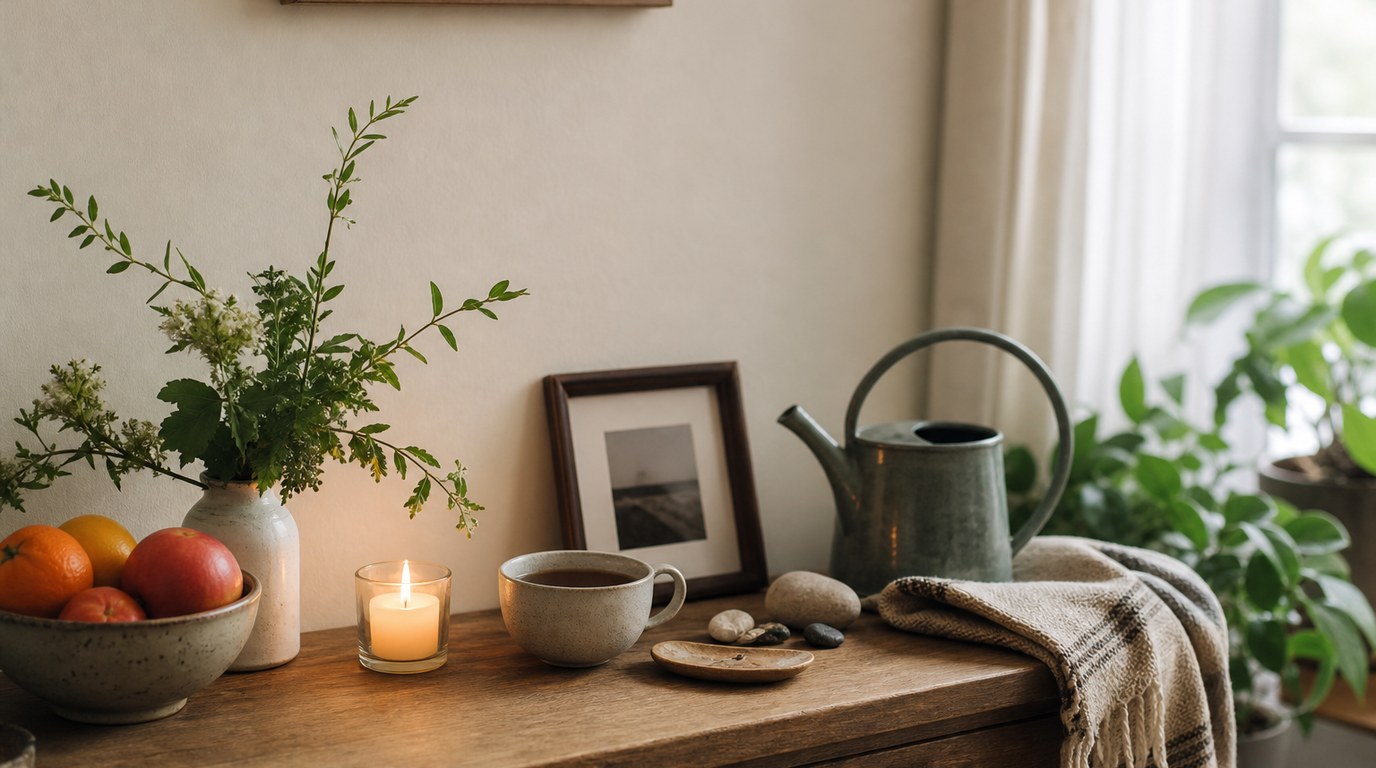
The clearest mental model is to think of devotion as relationship maintenance. If spellcraft is a focused act of will, devotional practice is a pattern of care. It grows through repeated contact, honest communication, and follow-through.
This matters because many people approach witchcraft looking for techniques: which candle color, which herb, which moon phase, which chant. Those things can be meaningful, but devotion asks a deeper question: who or what are you becoming accountable to? If you honor ancestors, are you also learning family stories, healing inherited patterns, and remembering the forgotten dead? If you honor a deity, are you learning their lore, values, symbols, and traditional forms of reverence where appropriate? If you honor the land, are you treating the place where you live as sacred, not just as a source of magical ingredients?
A devotional practice for witches can be religious, spiritual, animist, ancestral, pagan, folk-based, or deeply personal. It does not need to copy someone else’s path. However, it should be honest about context. Some practices belong to specific cultures, initiatory systems, or closed traditions. Respectful devotion includes research, listening, and not claiming titles, rites, or spirits from traditions you have not been invited into.
The core elements are simple:
- Attention: noticing the presence, stories, symbols, and needs of the one you honor.
- Offering: giving something appropriate, such as water, incense, food, flowers, song, or service.
- Communication: prayer, meditation, divination, journaling, dreams, or quiet listening.
- Commitment: returning regularly without needing constant signs or rewards.
- Ethics: letting the practice influence how you act in daily life.
This is why devotion can be powerful even when it looks plain. A clean altar, a sincere prayer, and a kept promise may carry more spiritual weight than a crowded altar that is never tended. The goal is not to impress other witches. The goal is to cultivate a living bond.
Practical Guidance
Begin by choosing a devotional focus. Do not rush to honor every deity, ancestor, spirit, and cosmic force at once. A focused practice is easier to maintain and easier to understand. You might begin with your ancestors, a deity you already feel called to, your household spirits, the land where you live, or a sacred principle such as wisdom, protection, healing, or justice.
Next, choose a rhythm. Daily devotion is not required. Weekly, monthly, or seasonal devotion can be strong if it is consistent. Be realistic about your energy, privacy, schedule, and emotional capacity.
| If you have… | Try this devotional rhythm |
|---|---|
| Five minutes daily | Light a candle, say a short prayer, offer water |
| One quiet morning weekly | Refresh the altar, journal, meditate, make tea as an offering |
| Limited privacy | Silent prayer, devotional jewelry, discreet ancestor photo, phone reminder |
| Strong emotional sensitivity | Short sessions, grounding afterward, clear opening and closing words |
| An ancestor focus | Water, flowers, family names, gratitude, remembered stories |
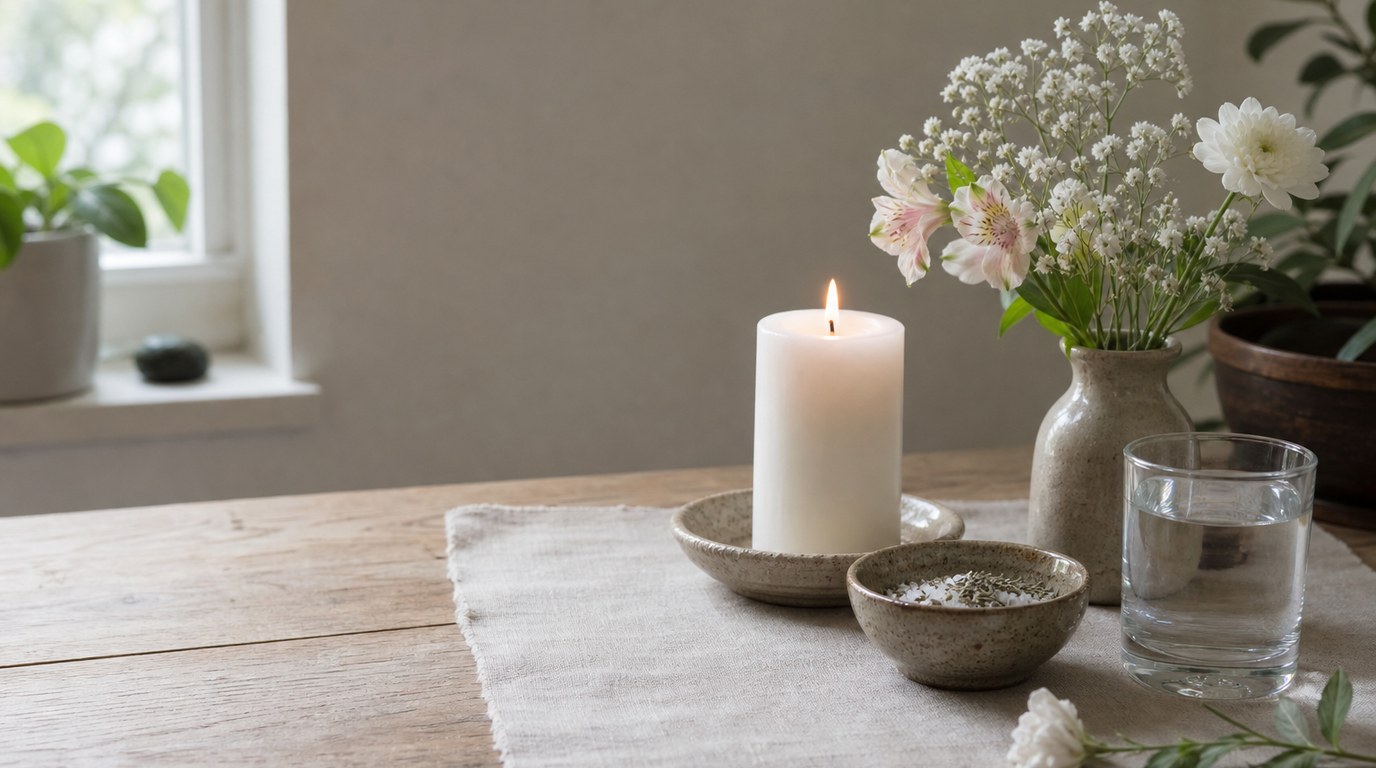
For an ancestor altar, keep the practice devotional rather than complicated. A simple setup might include a clean surface, a glass of water, a candle, photos or names of beloved dead, and a small offering. Speak respectfully. Thank them for life, protection, lessons, and resilience. You may ask for guidance, but avoid treating ancestors like servants. Also remember that not every ancestor was safe or wise. You can honor the well and elevated dead, ask for healing in the line, and set boundaries with harmful patterns.
For deity devotion, learn before asking. Read myths, hymns, prayers, academic sources, and practitioner perspectives. Notice traditional offerings and taboos where relevant. Start with praise and respect before requests. Instead of saying, “Do this for me,” try, “I honor you, I seek to learn your ways, and I ask for guidance if it is appropriate.”
For land or household devotion, practice care. Pick up trash, learn local plants, greet the home when you enter, keep thresholds clean, or offer water to a garden. These acts are devotional because they turn reverence into behavior.
Common mistakes include overpromising, copying closed practices, demanding signs, buying tools instead of building consistency, and ignoring mundane responsibility. A devotional practice should support your life, not replace discernment, medical care, therapy, financial planning, or honest conversation.
A good beginner formula is: one focus, one offering, one prayer, one schedule, one journal note. Keep it for a month. Then review what changed: your dreams, emotions, sense of connection, discipline, or understanding. Build slowly from there.
FAQ
What Should a Beginner Know First About Devotional Practice for Witches?
Start small and sincere. Devotion is not about having the perfect altar or knowing every correspondence. Choose one focus, such as ancestors, a deity, or the land, and create one repeatable act of respect. Consistency and humility matter more than complexity.
What Matters Most When Evaluating Devotional Practice for Witches?
Look for respect, sustainability, and spiritual clarity. A good practice is one you can maintain, understand, and ethically support. It should deepen relationship rather than feed fear, ego, or urgency. The best devotion changes how you listen, act, and care.
What Mistakes Should Readers Avoid with Devotional Practice for Witches?
Avoid making vows you cannot keep, taking from closed traditions without permission, demanding constant signs, or treating spirits like tools. Also avoid expanding too quickly. Too many altars, offerings, or commitments can create confusion instead of connection.
What Is the Next Logical Step After Learning About Devotional Practice for Witches?
Choose one devotional focus and create a simple four-week practice. Set a schedule, prepare a modest offering, speak words of respect, and record what you notice. After a month, decide whether to continue, adjust, or deepen the relationship.