
An embodied meditation practice is a simple way to return your awareness to the body so your prayer, ancestor altar work, offerings, or personal ritual begins from a steady place. Instead of trying to empty the mind, you notice breath, posture, sensation, tension, and contact with the ground. To practice, set an intention, sit or stand comfortably, breathe slowly, scan from head to feet, release tension with small movements, ground through the feet or seat, listen inwardly without forcing meaning, and close with gratitude. Even five to ten minutes can help you feel more present, respectful, and centered before spiritual work.
When to Use This Embodied Meditation Practice
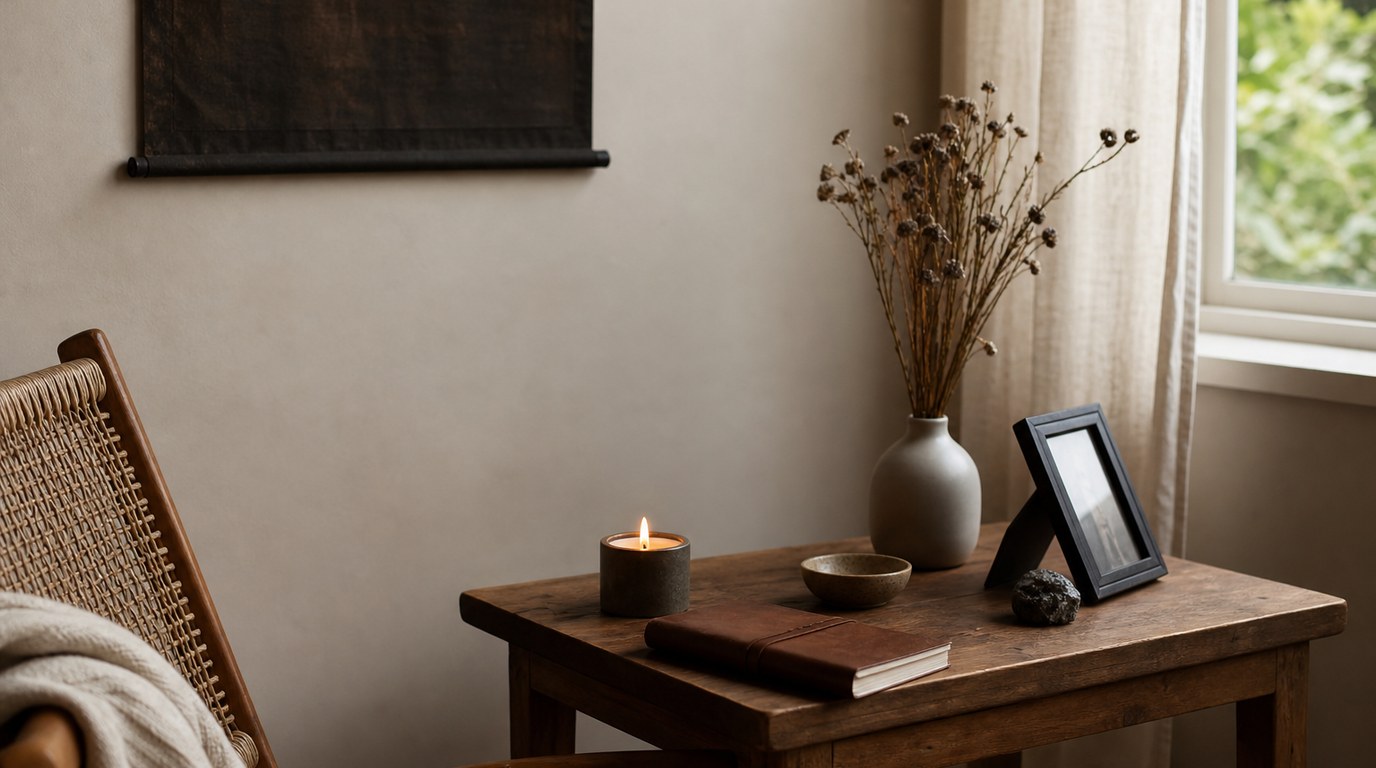
Use this practice before lighting a candle, giving offerings, praying, journaling, divination, or sitting at an ancestor altar. It is also useful after emotional conversations, stressful work, travel, or moments when you feel scattered. The purpose is not to perform perfectly or create a dramatic spiritual experience. The purpose is to arrive in your body, settle your attention, and approach your ritual with steadiness, humility, and care.
Prerequisites: What You Need Before You Begin
You need a quiet enough place, a stable posture, and five to ten minutes. A chair, cushion, floor mat, or standing position all work. If practicing near an altar, make sure candles, incense, water, and offerings are placed safely before you close your eyes.
You may want a timer with a gentle sound. If you are dizzy, exhausted, grieving intensely, or prone to dissociation, keep your eyes softly open and practice for a shorter time. Embodied meditation should feel supportive, not overwhelming.
Step 1: Set a Clear and Respectful Intention
Begin by naming why you are practicing. Keep the intention plain and grounded: “May I arrive in my body before I pray,” or “May I approach my ancestors with respect and clarity.” Say it silently or aloud.
Avoid asking for signs immediately. First, create steadiness. Intention gives the practice a respectful direction without turning it into pressure, performance, or demand.
Step 2: Choose a Grounded Posture
Sit with both feet on the floor, stand with knees soft, or kneel if that is comfortable in your tradition and body. Let your spine be upright but not rigid. Relax your jaw, shoulders, belly, and hands.
If lying down is necessary, keep one hand on your chest or abdomen to stay alert. The best posture is the one that lets you feel supported, awake, and connected to the present moment.
Step 3: Arrive Through the Breath
Place one hand on your belly or heart if that feels comforting. Inhale through the nose for a natural count of three or four. Exhale slowly through the nose or mouth for a count of four to six. Repeat this for five breaths.
Do not strain or hold the breath. If counting creates tension, simply notice “breathing in” and “breathing out.” Let the exhale be a soft signal to your nervous system that you are safe enough to arrive.
Step 4: Scan the Body from Head to Feet
Bring attention to the crown of your head, forehead, eyes, cheeks, jaw, and throat. Notice sensation without judging it. Move to the shoulders, arms, hands, chest, ribs, belly, back, hips, legs, and feet.
At each area, ask: “What is present here?” You might notice warmth, tightness, pulsing, numbness, emotion, or very little sensation. All of these are valid. The practice is noticing, not fixing. If you find tension, breathe gently toward that area and continue downward.
Step 5: Release Tension with Small Movements
If stillness feels difficult, add small movements. Roll your shoulders once or twice. Unclench your hands. Press your feet into the floor and release. Turn your head slowly from side to side. Let the movement be quiet and intentional.
Do not force stretching or push through pain. The goal is to tell the body, “I am listening.” Small movements can help the mind settle because the body no longer has to shout for attention.
Step 6: Ground Through the Feet, Seat, and Earth
Feel where your body meets support: feet on floor, seat on chair, knees on cushion, or back against a wall. Let your weight drop slightly into that support.
Imagine the earth beneath you as steady, old, and generous. You do not need elaborate visualization; sensation is enough. Notice pressure, temperature, texture, and weight. On each exhale, allow unnecessary effort to drain downward. On each inhale, receive steadiness through the body.
Step 7: Listen Inwardly Without Forcing Messages
After grounding, rest in quiet attention for one to three minutes. If you are preparing for ancestor veneration, you may inwardly say, “I am here with respect.” Then listen.
Do not chase images, voices, or signs. Spiritual grounding includes discernment. You may receive a memory, emotion, word, or nothing at all. Nothing is not failure. A calm, respectful presence is already meaningful preparation for prayer or offering.
Step 8: Close the Practice with Gratitude and Reorientation
Bring your hands together, touch your heart, or place both palms on your thighs. Offer simple gratitude: “Thank you for this body, this breath, this ground, and all benevolent guidance.”
Then reorient. Open your eyes if closed. Look around the room. Name three things you see. Wiggle fingers and toes. If you will continue into ritual, move slowly. If you are finished, drink water or stand with care.
How to Know the Practice Worked
The practice worked if you are more aware of your body than when you began. Signs may include slower breathing, softer shoulders, clearer attention, warmer hands, steadier emotions, or a sense of being more present at your altar.
You may still have thoughts or feelings. That is normal. Success is not silence. Success is being grounded enough to continue with respect, safety, and awareness.
Common Mistakes and Troubleshooting
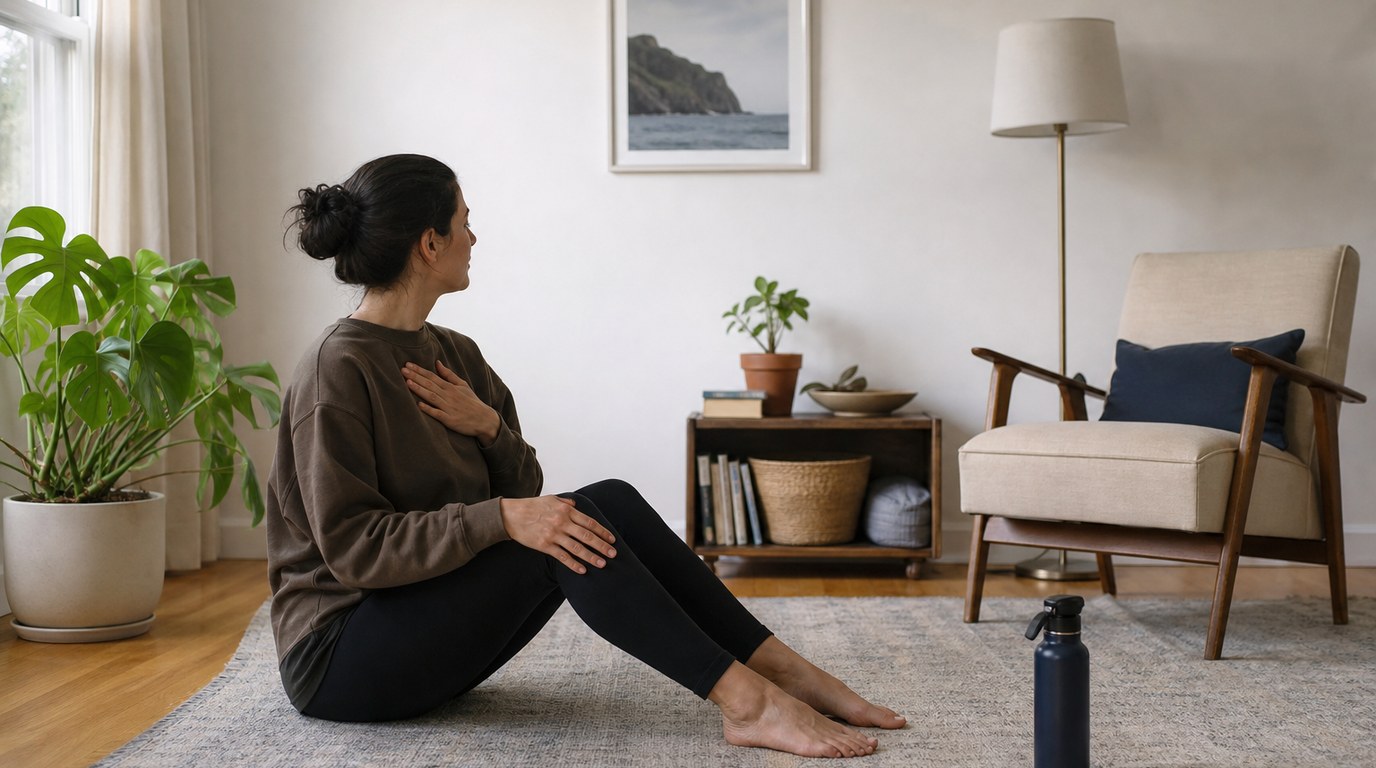
A common mistake is trying to “leave the body” for a spiritual experience. This practice does the opposite: it helps you stay present. If you feel floaty, open your eyes, press your feet down, and name objects in the room.
If emotions rise, slow down. Place a hand on your chest, shorten the practice, or pause. If pain appears, adjust posture immediately. If you become sleepy, sit upright or stand. If you feel anxious with breath counting, stop counting and focus on contact with the floor.
Never ignore strong distress. Grounding should support you, not push you past your limits.
A Simple 10-minute Embodied Meditation Script
Set a timer for ten minutes. Sit or stand steadily. Say: “I arrive in my body with respect.” Take five slow breaths, letting each exhale soften your shoulders.
Scan from head to feet, noticing sensation without judgment. Relax your jaw, hands, belly, and feet. Press gently into the floor. Feel the support beneath you. Imagine steadiness rising through your body.
Rest quietly and listen without forcing anything. When the timer sounds, say: “Thank you.” Open your eyes, look around, move your fingers and toes, and continue with prayer, offering, or your day.
FAQ
How Long Should an Embodied Meditation Practice Take?
Five to ten minutes is enough for most people, especially before altar work or prayer. If you are new, begin with three minutes and build slowly. Longer is not always better; the goal is to become present, grounded, and respectful, not to endure discomfort.
Can I Do Embodied Meditation at My Ancestor Altar?
Yes. It can be a beautiful preparation before lighting candles, offering water, speaking names, or praying. Keep safety in mind: arrange candles and incense before settling, and avoid deep closed-eye practice near open flame unless everything is stable and attended.
What If I Feel Emotions During the Practice?
Emotions can surface when the body finally has space to be heard. Let them move gently without forcing a story. Breathe, place a hand on your heart, or open your eyes. If the emotion feels too intense, pause and return to the room.
Is Embodied Meditation the Same as Mindfulness?
They overlap, but they are not identical. Mindfulness often emphasizes present-moment awareness. Embodied meditation specifically uses bodily sensation, posture, breath, movement, and grounding as the main doorway into presence. In ritual settings, it can also support reverence and spiritual preparation.
Do I Need Spiritual Beliefs to Practice Embodied Meditation?
No. You can practice it as a body-based grounding method without any spiritual framework. If you do have spiritual beliefs, the same steps can help you approach prayer, ancestor veneration, or ritual with more steadiness, humility, and care.