Animal medicine is the spiritual meaning, guidance, or lesson associated with an animal’s presence, behavior, image, or repeated appearance in your life. In this context, “medicine” does not mean medical treatment. It refers to symbolic wisdom: qualities an animal may invite you to notice, practice, or honor.
Animal medicine is best understood as interpretation, not guaranteed fact. A hawk, snake, deer, crow, or spider may carry traditional meanings, personal memories, ancestral associations, ecological realities, or dream symbolism. The most respectful approach is to consider context, avoid claiming certainty, and ask what the encounter is calling you to reflect on.
What Is Animal Medicine?
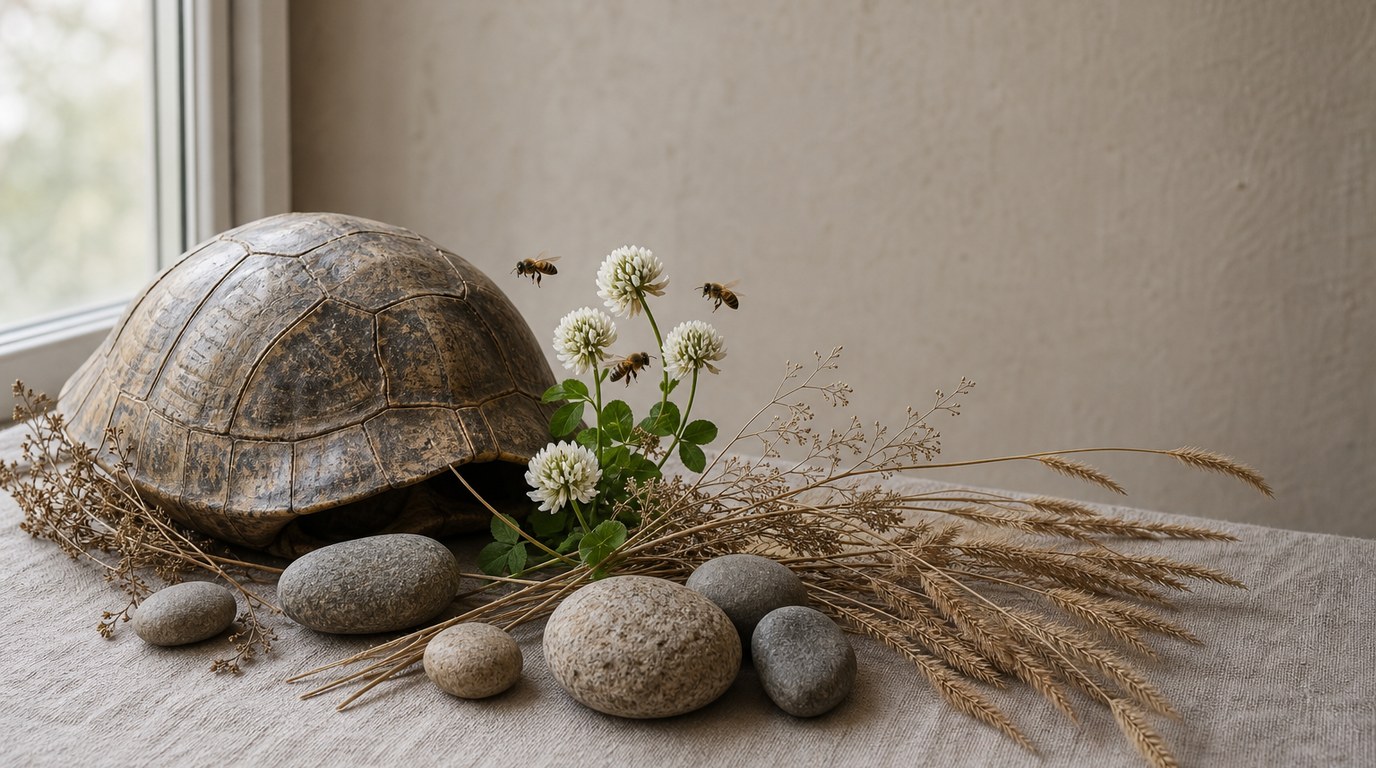
Animal medicine is a way of reading animal symbolism as spiritual instruction. An animal may be seen as carrying a teaching through its habits, sounds, movements, survival skills, or cultural associations. For example, turtle medicine may suggest patience and protection, while bee medicine may point toward cooperation and devotion.
This does not mean every animal sighting is automatically a message. Sometimes a bird is simply passing through. In spiritual practice, animal medicine becomes meaningful when it stirs attention, repeats in unusual ways, appears in dreams, or connects with prayer, grief, decision-making, or ancestral memory.
Where the Idea Comes from
Many cultures have recognized animals as sacred, instructive, protective, or spiritually significant. Indigenous traditions, African diasporic practices, folk Catholicism, shamanic paths, animist worldviews, astrology, mythology, and family-based folk practices may all include animal symbolism in different ways.
It is important not to flatten these traditions into one system. “Animal medicine” is often used broadly in modern spiritual language, but specific meanings may belong to particular peoples, lineages, or ceremonies. If you draw from a tradition that is not your own, approach it with humility, credit, and care. You can also work from observation, family stories, dreams, and local ecology.
How Animal Medicine Is Interpreted
Animal medicine is usually interpreted through several layers. The first is the animal’s natural behavior: owl as night vision, ant as teamwork, snake as shedding and renewal. The second is cultural meaning, which may vary widely. A crow may be feared in one setting and honored as a messenger in another.
The third layer is personal experience. If your grandmother loved cardinals, a cardinal at your window may feel ancestral, even if another person would interpret it differently. Timing also matters. An animal appearing during mourning, a move, illness, or a major choice may feel more charged.
A balanced interpretation asks: What happened? What did I feel? What is this animal known for? What does my lineage or culture say? What action, if any, is being invited?
Animal Medicine and Ancestor Practice
In ancestor practice, animal medicine can become a bridge between memory, land, and spiritual attention. Families often carry animal associations without naming them formally: a grandfather who kept bees, a mother who loved doves, a clan story about wolves, a coastal lineage connected to fish or shells.
Animal symbols on an ancestor altar can honor these relationships when used respectfully. A feather, carving, photograph, shell, or image may represent protection, guidance, migration, fertility, courage, or remembrance. The key is intention. The animal does not replace the ancestors; it helps focus prayer, gratitude, and reflection around qualities you want to honor or strengthen.
Examples of Animal Medicine in Practice
If deer appears repeatedly during a season of conflict, you might reflect on gentleness, alertness, and how to move without abandoning your sensitivity. Deer medicine may not mean “avoid all confrontation.” It may ask for softer strength.
If snake appears in dreams while you are leaving an old identity, the medicine may be shedding, healing, or transformation. It could also bring up fear, secrecy, or the need to respect boundaries.
If ants appear around your home, the practical step is to clean and address the cause. Spiritually, you might also reflect on cooperation, preparation, and the small repeated actions that sustain a household.
If a hawk circles when you are making a decision, you may take it as an invitation to widen your perspective. Still, the decision remains yours. Animal medicine can support discernment, but it should not replace responsibility.
Table: Examples of Animal Medicine and Reflective Meanings
| Animal | Common reflective meaning | Question to ask |
|---|---|---|
| Deer | Gentleness, sensitivity, alertness | Where can I soften without becoming unsafe? |
| Snake | Shedding, renewal, boundaries | What old skin am I outgrowing? |
| Owl | Hidden knowledge, night vision | What am I ready to see clearly? |
| Bee | Devotion, community, labor | How am I contributing to the collective? |
| Crow | Mystery, messages, adaptation | What pattern keeps asking for attention? |
How to Work with Animal Medicine Respectfully

Begin with observation. Notice the animal, setting, timing, and your emotional response. Research its real behavior before jumping to symbolism. An animal’s ecological life often offers richer wisdom than a generic meaning list.
Honor living animals by respecting their habitat. Do not disturb nests, take illegal feathers, feed wildlife carelessly, or treat animals as props. If you use animal imagery on an altar, choose ethical objects: drawings, inherited items, photographs, clay figures, or naturally found materials that are lawful and appropriate.
In prayer or meditation, speak plainly: “If there is wisdom here, help me understand it with humility.” Then listen through dreams, memories, conversations, and practical changes. The medicine becomes real through how you live.
Common Misconceptions About Animal Medicine
One misconception is that animal medicine has one universal meaning. In reality, meanings shift by culture, ecosystem, family, and personal experience.
Another misconception is that every encounter is a supernatural sign. Spiritual interpretation can be meaningful without forcing certainty onto ordinary events.
A third misconception is that animal medicine is always comforting. Some animals bring challenging reflections: fear, decay, grief, anger, patience, or necessary endings.
It is also wise to avoid using “animal medicine” to claim spiritual authority over others. Your interpretation may guide you, but it should not be used to control another person’s choices or declare what their life “must” mean.
A Simple Reflection Practice
Place a notebook near your altar or quiet space. Light a candle or sit silently for a few breaths. Write the animal’s name, where it appeared, what was happening in your life, and what feeling arose.
Then ask three questions: What does this animal do in nature? What does it mean in my family, culture, or memory? What small action would honor this teaching?
Close with thanks to your ancestors, the living world, and any wisdom received. Revisit your notes over time and look for patterns rather than forcing immediate answers.
FAQ
What Does Animal Medicine Mean Spiritually?
Spiritually, animal medicine means the symbolic lesson, quality, or guidance associated with an animal. It may arise through dreams, repeated sightings, altar work, stories, or intuition. The meaning is interpretive, not guaranteed fact, and should be considered alongside context and lived experience.
Is Animal Medicine the Same as a Spirit Animal?
Not exactly. “Spirit animal” is often used casually, but it can be culturally sensitive and may refer to specific Indigenous concepts that should not be generalized. Animal medicine is broader language for reflecting on animal symbolism, qualities, and guidance without claiming a formal traditional role.
How Do I Know What Animal Medicine Is Showing up for Me?
Look for repetition, emotional impact, timing, and relevance. Notice whether the animal appears during dreams, prayer, grief, transition, or decision-making. Research the animal’s behavior and consider your personal or ancestral associations. Avoid rushing; patterns often become clearer with time.
Can I Put Animal Symbols on an Ancestor Altar?
Yes, if the symbol supports remembrance, prayer, or a known family connection. Use respectful items such as images, carvings, shells, or inherited objects. Keep the focus on honoring your ancestors, not collecting symbols. Avoid illegal, endangered, or culturally restricted animal materials.
Are Animal Medicine Meanings Universal?
No. Some themes are common because they come from animal behavior, such as snake shedding or bee cooperation. Still, meanings vary across cultures, families, religions, and personal experiences. Treat any list of meanings as a starting point, not an absolute rule.