
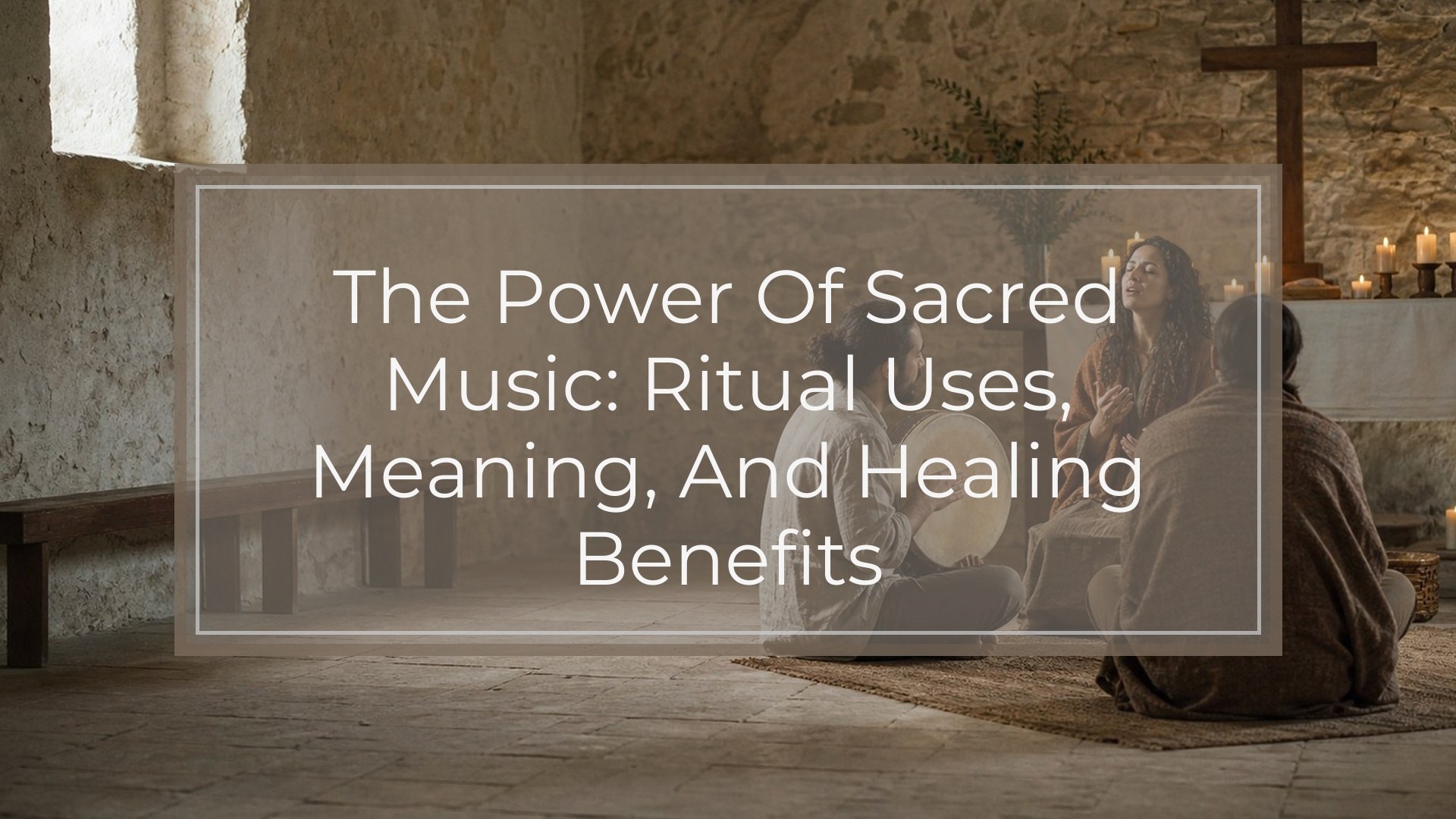
Sacred music is sound used with spiritual intention. It can steady the mind, mark the beginning of ritual time, invite reverence, and help people feel connected to ancestors, deities, spirits, community, or the Divine. In ancestor altar practice, sacred music may be a hymn, chant, drum rhythm, devotional song, prayer recording, bell, rattle, or a quiet song you offer from the heart.
The power of sacred music is not only in the notes. It comes from intention, respect, repetition, memory, and presence. When chosen carefully, music helps shift a room from ordinary activity into prayerful attention. It can support offerings, meditation, grief work, gratitude, cleansing, and remembrance.
Quick Answer
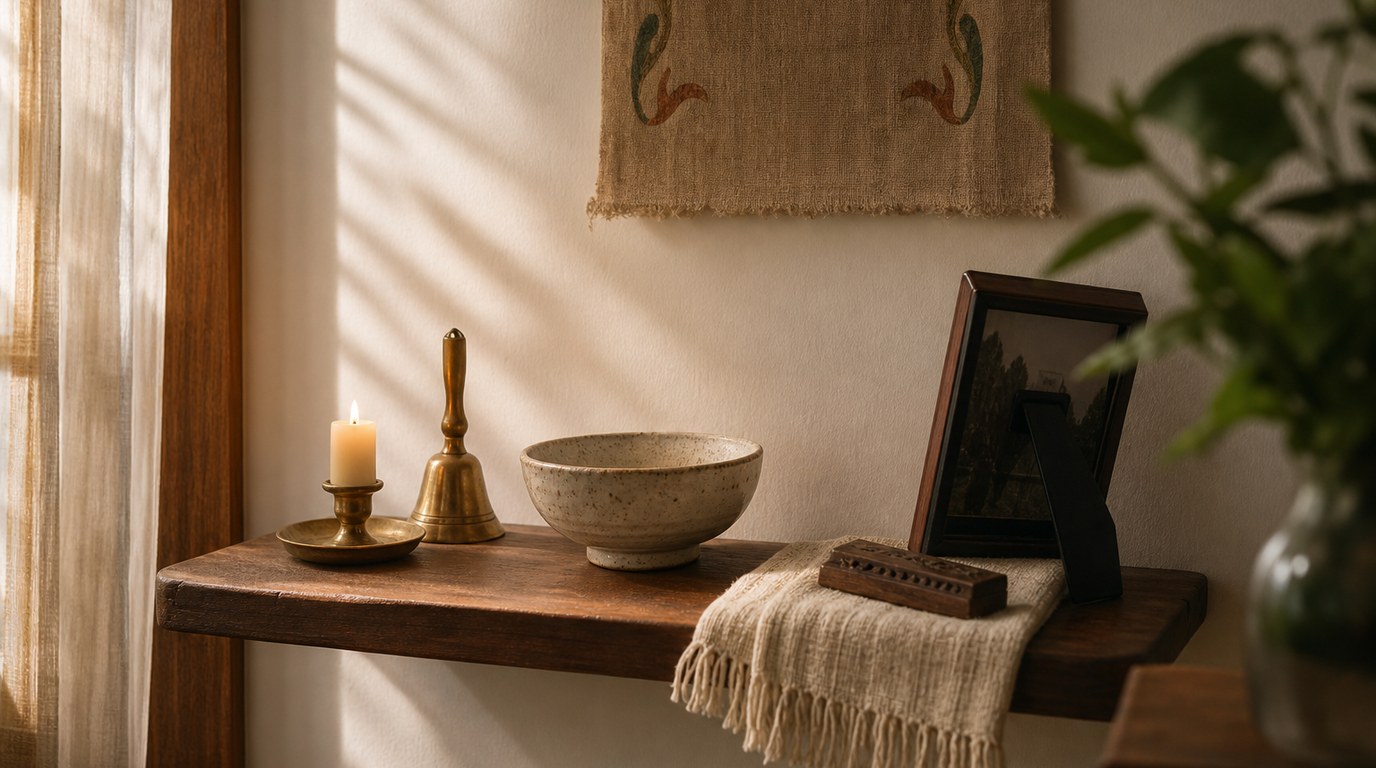
The power of sacred music is its ability to create a spiritual atmosphere, focus attention, carry prayer, and deepen emotional connection during ritual. In home practice, it can help you move from distraction into devotion. For ancestor altars, sacred music can honor lineage, awaken memory, and make offerings feel more complete.
Sacred music works through several layers at once. Rhythm affects the body. Melody affects emotion. Words shape intention. Repetition helps the mind settle. Cultural memory can connect a song to family, tradition, homeland, or a spiritual path. Even simple sound, such as a bell before lighting a candle, can tell your body and spirit: “Now we enter sacred time.”
You do not need to be a trained singer or musician. You can play recorded music, hum, chant a name, ring a chime, clap softly, drum, or sit in silence after a song. What matters most is that the music is respectful, appropriate to the ritual, and aligned with your purpose.
For ancestor veneration, good choices often include family songs, spirituals, hymns, traditional devotional music, songs from your heritage, or peaceful instrumental music. Avoid using sacred music casually if it belongs to a closed or initiatory tradition you are not part of. Choose music that helps you listen, remember, and offer with sincerity.
How to Think About This Topic
A helpful way to understand sacred music is to see it as a bridge. It bridges body and spirit, memory and presence, the living and the dead, ordinary time and ritual time. You are not using music as background decoration. You are using sound as a ritual object, much like a candle, glass of water, incense, or offering bowl.
In ancestor altar work, this distinction matters. If music is just filling silence, it may distract you. If music is chosen as an offering, it becomes part of the relationship. A song your grandmother loved, a hymn from your family church, a lullaby from your childhood, or a drum rhythm connected to your lineage can carry meaning beyond words. The music says, “I remember. I welcome you. I honor where I come from.”
Sacred music also shapes the nervous system. Slow, steady sounds can calm the breath. Repetitive chants can quiet mental noise. Strong rhythms can awaken energy and help people feel grounded in the body. Lament songs can give grief a safe container. Songs of praise can lift the heart into gratitude. This is why music appears in so many traditions: it reaches places that ordinary speech may not.
There are three parts to consider:
| Element | Ritual Question | Example |
|---|---|---|
| Intention | Why am I using this music? | To welcome ancestors before offerings |
| Form | What kind of sound fits? | Hymn, chant, bell, drum, playlist, humming |
| Relationship | Is this respectful and connected? | A family song, public devotional song, or personal prayer |
The power of sacred music is strongest when these parts align. A beautiful song may not fit every ritual. A simple bell may be more powerful than a complex playlist if it brings clear attention. A recorded chant may be helpful for meditation, while a song sung in your own voice may feel more intimate for ancestor offerings.
Think of sacred music as a way of listening, not only performing. After the sound, leave space. Notice memories, emotions, sensations, dreams, or quiet impressions. In many home rituals, the silence after the music is where the deepest connection is felt.
Practical Guidance
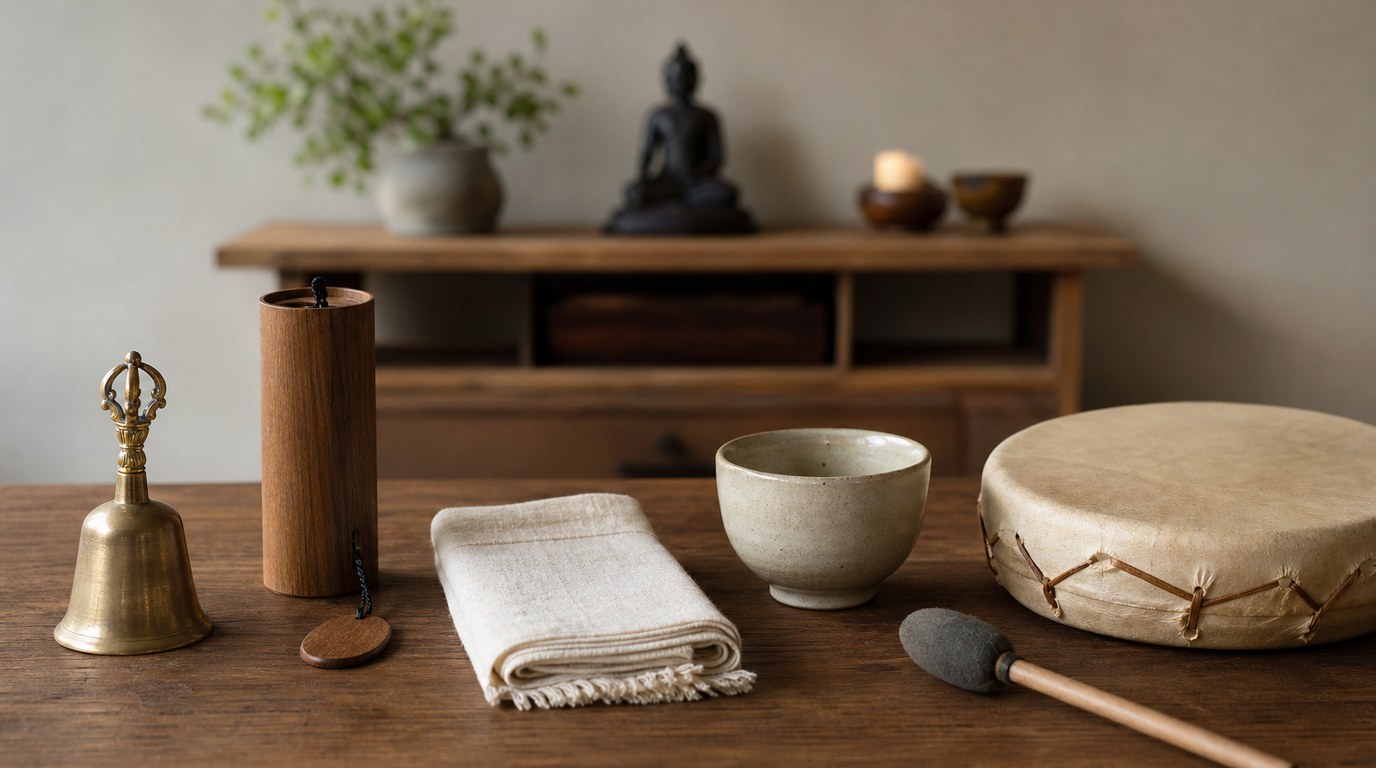
Begin by choosing music according to the purpose of the ritual. If you are opening the altar, use sound that marks arrival: a bell, chime, short chant, or soft song. If you are making offerings, choose music that feels welcoming and honorable. If you are grieving, choose music that allows tenderness without overwhelming you. If you are giving thanks, choose music that feels bright, steady, and reverent.
For ancestor altar practice, you might use sacred music in this simple sequence:
- Clean the altar space and place fresh water.
- Light a candle, if safe.
- Ring a bell or play the first song to open sacred time.
- Speak the names of known ancestors, or say, “Beloved ancestors of love, wisdom, and protection, I honor you.”
- Offer food, flowers, coffee, tea, incense, or another appropriate gift.
- Play or sing the chosen music.
- Sit quietly and listen.
- Close with thanks and a final bell, prayer, or moment of silence.
Keep the practice manageable. One song offered with full attention is better than an hour of music while your mind is elsewhere. If you use a playlist, create one specifically for ritual so it does not suddenly shift into casual or distracting songs. Turn off autoplay when possible.
Selection matters. Ask yourself:
- Does this music support reverence?
- Is it connected to my ancestors, tradition, prayer, or intention?
- Am I allowed to use it, or does it belong to a closed ceremonial context?
- Does it calm, strengthen, or open me in the right way?
- Would I feel comfortable offering this sound at my altar?
Examples can help. For a daily morning altar visit, you might ring a chime three times and hum softly. For a weekly ancestor offering, you might play a family hymn or song from your cultural background. For meditation, you might use gentle instrumental music or a repetitive chant. For a remembrance day, you might play songs loved by the deceased and speak their names between tracks.
Respect is essential. Some sacred songs are public and devotional; others are restricted to initiated people, ceremonies, or cultural communities. If you are unsure, choose something from your own lineage, a song clearly intended for public worship, or music you create yourself. Personal prayer, humming, clapping, and simple tones can be deeply sacred without taking from another tradition.
Also pay attention to volume and timing. Sacred music does not need to dominate the room. It should support prayer, not drown it out. In apartments or shared homes, headphones, soft singing, or quiet bells can work well. If strong emotions arise, pause, breathe, drink water, and return gently. The goal is not to force a spiritual experience. The goal is to create conditions for presence, gratitude, and right relationship.
Over time, repetition gives sacred music more power. When you use the same opening song, bell pattern, or chant, your body begins to recognize it as a doorway. The sound becomes part of your altar language. It teaches you how to arrive.
FAQ
Can Any Music Become Sacred Music?
Almost any music can become sacred in a personal sense if it is used with reverence, intention, and care. However, not every song fits every ritual. Music with distracting, disrespectful, or conflicting energy may weaken the atmosphere. Choose sound that supports prayer, remembrance, and spiritual focus.
Is Recorded Music Okay for Ancestor Altar Rituals?
Yes. Recorded music is acceptable for many home ancestor altar rituals, especially when it is chosen respectfully. A recording of a hymn, family song, devotional chant, or instrumental piece can be a meaningful offering. Keep the focus on presence rather than treating the music as background noise.
What Kind of Music Should I Play for My Ancestors?
Start with music connected to your family, culture, or remembered loved ones. This might include hymns, folk songs, spirituals, traditional music, funeral songs, or favorite songs of the departed. If you do not know your lineage music, choose peaceful devotional or instrumental music offered with sincere respect.
Do I Need to Sing for the Ritual to Work?
No. You do not need to sing, perform, or have musical skill. You can play a recording, ring a bell, hum, chant a name, clap softly, or sit in silence. If you do sing, sincerity matters more than beauty. Your voice can be an offering.
How Often Should I Use Sacred Music in Ritual?
Use sacred music as often as it genuinely supports your practice. Some people use a bell or song daily; others reserve music for weekly offerings, feast days, grief rituals, or special prayers. Consistency can build power, but it should remain meaningful rather than automatic.