
North American sage is widely understood as a cleansing herb connected with purification, prayer, protection, clarity, and sacred relationship. In many Indigenous traditions, certain sages are treated with deep respect as medicine plants, not decorative tools or spiritual trends. For home ritual and ancestor altar work, sage can symbolize preparation: clearing the room, quieting the mind, and approaching the dead with humility. Its wisdom is not that smoke “fixes” everything, but that cleansing is a relationship between person, place, intention, plant, and spirit.
What North American Sage Represents Spiritually
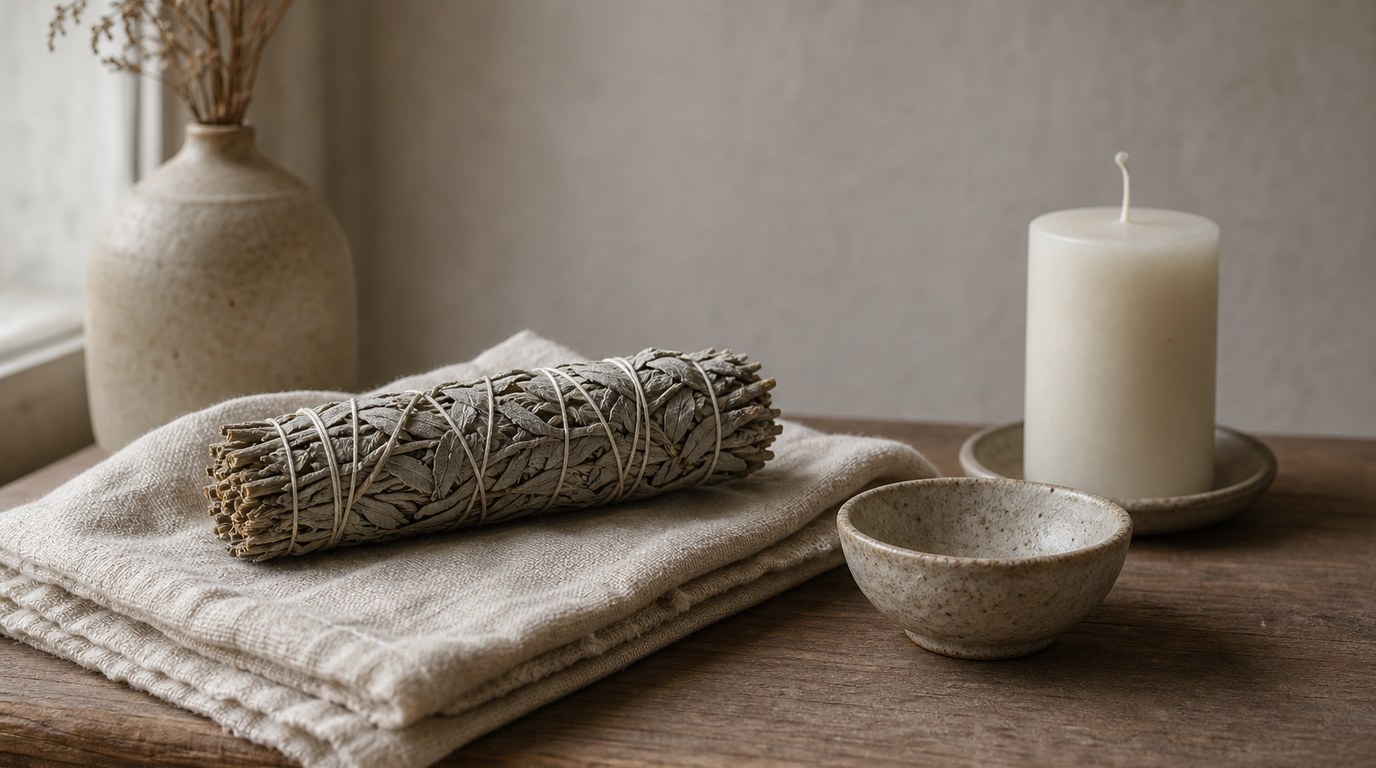
The wisdom of North American sage begins with a simple idea: before you approach what is sacred, you prepare yourself. Sage is often associated with clearing away heaviness, confusion, stagnant energy, and spiritual residue so that prayer, remembrance, and offering can happen with more focus.
This does not mean sage should be treated as a magical shortcut. Burning sage while ignoring your behavior, your home, your relationships, or your responsibilities misses the deeper teaching. Sage asks for attention. It invites you to pause, breathe, clean, listen, and act with care.
Spiritually, sage represents purification, but purification is not about perfection. It is about returning to right relationship. In an ancestor altar context, this may mean clearing the altar surface before placing offerings, washing your hands before prayer, or taking a few quiet breaths before speaking the names of the dead.
Sage also carries associations with protection. The protective meaning is less about fear and more about boundaries: this space is tended, this prayer is sincere, this home is cared for, and not every influence is welcome.
At its best, sage teaches sacred preparation. It reminds us that ritual begins before words are spoken.
Symbolic Meanings Commonly Associated with Sage
The meanings of sage vary by community, lineage, and personal practice. The table below offers broad symbolic themes for home and altar reflection, not a replacement for specific cultural teachings.
| Symbolic meaning | Spiritual focus | Simple altar example |
|---|---|---|
| Purification | Clearing heaviness or disorder | Clean the altar, then lightly scent the space |
| Prayer | Carrying intention with reverence | Speak ancestor names after cleansing |
| Protection | Marking spiritual boundaries | Cleanse doorways or the altar area |
| Clarity | Quieting distraction | Use before journaling or divination |
| Respect | Preparing for sacred contact | Wash hands, breathe, and offer thanks |
These meanings are most powerful when paired with action. A clear space, sincere words, ethical sourcing, and gratitude all matter as much as the smoke itself.
Traditional Uses: Cleansing, Prayer, and Protection
Across North America, different Indigenous nations have distinct relationships with sage and other medicine plants. There is no single universal “Native American sage ritual,” and it is important not to flatten many living traditions into one generic practice. Some ceremonial uses are specific to particular peoples, families, societies, or teachings and should not be copied from fragments found online.
Broadly speaking, sage has been used in connection with cleansing, prayer, and protection. Cleansing may involve preparing a person, object, or place before ceremony. Prayer may involve the smoke as part of speaking to the Creator, spirits, ancestors, or the sacred. Protection may involve setting apart a space for holy work, healing, or focused intention.
For non-Indigenous home practitioners, it is wiser to stay with simple, respectful principles rather than imitating closed protocols. You might use sage to prepare a meditation area, clear the air before ancestor remembrance, or mark the beginning of a household blessing. Keep the act humble and plain: light, breathe, offer gratitude, cleanse, and extinguish safely.
Also remember that smoke is only one form of cleansing. Sweeping, opening windows, washing ritual objects, changing altar water, praying aloud, singing, and setting boundaries can all be forms of spiritual care. Sage belongs within a wider practice of respect, not above it.
Sage and Ancestor Altars
On an ancestor altar, sage can serve as a threshold plant. It helps mark the shift from ordinary attention to sacred remembrance. Before placing food, flowers, water, candles, or photographs, some people cleanse the altar space to signal: “I am arriving with respect.”
A simple ancestor altar may include a clean cloth, a glass of water, family photos, inherited objects, flowers, and offerings meaningful to the dead. Sage can be used before arranging these items, before prayer, or after heavy emotional conversations in the home. The goal is not to erase grief, but to create a steadier container for it.
For example, if you are preparing an offering for a grandparent, you might first tidy the altar, refresh the water, light a candle, and gently cleanse around the space. Then you can speak their name, offer food or flowers, and sit in silence. In this setting, sage supports attention and reverence.
Sage may also be used when beginning a new altar, moving an altar to another room, or returning to altar work after a long absence. It can symbolize a fresh start and a renewed promise to tend the relationship.
If smoke is not appropriate in your home, you can still honor the same meaning through non-smoke methods: wash the altar bowl, ring a bell, mist water lightly, recite a prayer, or simply clean with intention.
Respectful Use and Cultural Considerations
Respectful use of North American sage begins with recognizing that it is not just a product. For many Indigenous communities, sage is a medicine plant connected to land, ceremony, kinship, and responsibility. Treating it as an aesthetic accessory or a quick “energy hack” can feel careless, especially when commercial demand contributes to overharvesting.
White sage, in particular, has been heavily marketed and, in some places, unsustainably harvested. If you choose to use it, look for ethical sources: Native-owned suppliers when possible, cultivated rather than wild-poached plants, and sellers who are transparent about harvesting. Use small amounts. Wastefulness is the opposite of reverence.
Cultural respect also means avoiding claims you have not earned. Do not present yourself as teaching Indigenous ceremony unless you are authorized within that tradition. Avoid copying songs, prayers, regalia, language, or ritual structures removed from their proper context. Gratitude is good; impersonation is not.
You can still build a meaningful home practice. Keep it simple, honest, and rooted in your own responsibilities. Say thank you to the plant. Learn whose ancestral land you live on. Support Indigenous communities and businesses. Consider growing garden sage or another locally appropriate cleansing herb if that better fits your context.
Respect is not about anxiety. It is about relationship: knowing that spiritual tools carry histories, living connections, and obligations.
How to Use Sage in a Simple Home Cleansing Ritual
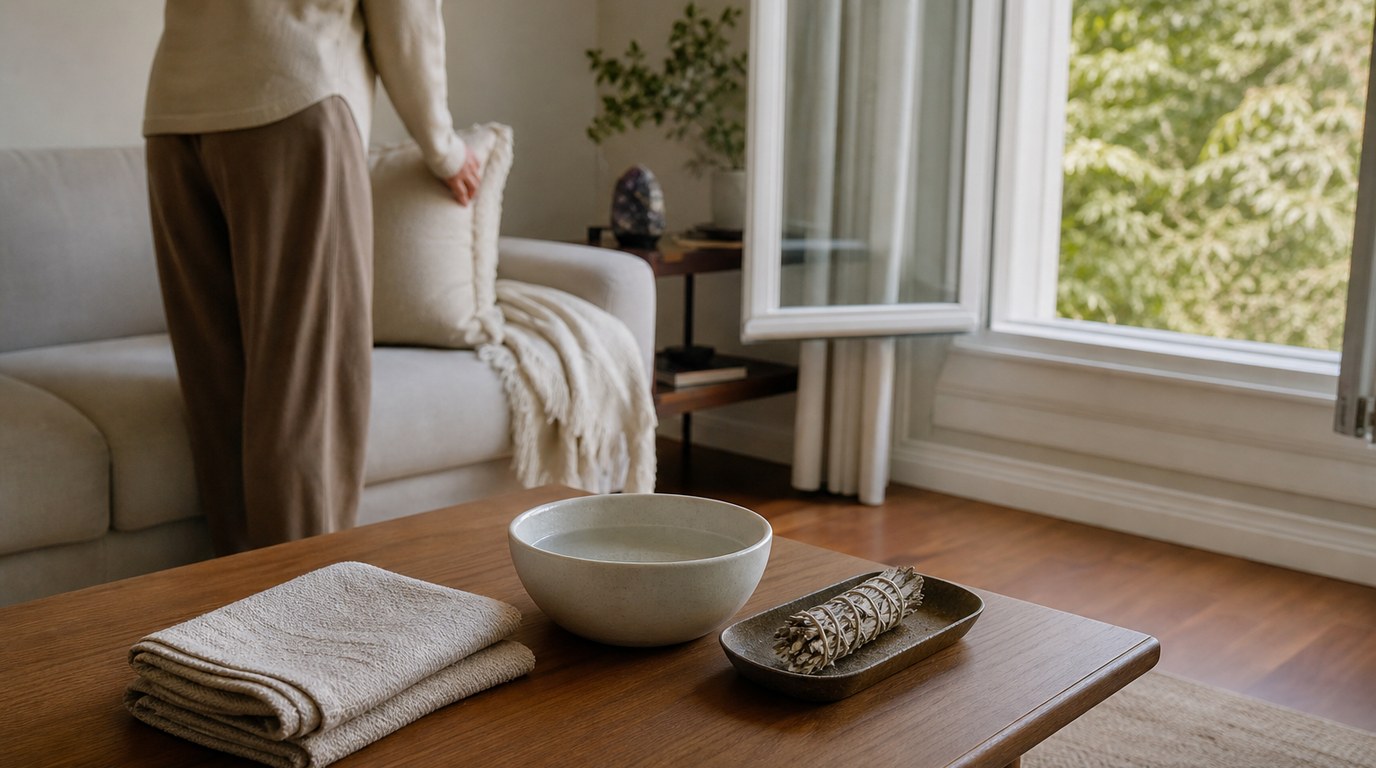
This simple structure is intended for personal home practice, not as a copy of any closed ceremonial protocol. Adapt it to your health needs, household rules, and spiritual background.
First, prepare the physical space. Put away clutter, wipe the altar surface, refresh water offerings, and open a window if you will use smoke. Keep a fireproof bowl nearby. If you have asthma, pets, children, smoke alarms, or lease restrictions, choose a non-smoke alternative.
Second, set your intention. Say plainly what you are doing: “I cleanse this space for peace, remembrance, and right relationship with my ancestors.” Clear language is often more powerful than elaborate wording.
Third, light a small amount of sage. Let it catch briefly, then blow out the flame so it smolders. You do not need thick smoke. Move slowly around the altar or room, keeping the herb over a fireproof dish. Focus on corners, doorways, or the altar area if that feels appropriate.
Fourth, pray or speak. You might say: “May this home be protected. May my ancestors who come in love and wisdom be welcome. May all heaviness that does not belong here depart.”
Fifth, close the ritual. Extinguish the sage completely in sand, soil, or a fireproof container. Offer thanks to the plant, the land, your ancestors, and any spiritual presence you honor. Then sit quietly for a moment before returning to daily activity.
A good cleansing ritual should leave you more grounded, not more dramatic. The heart of the practice is care.
FAQ
What Should a Beginner Know First About the Wisdom of North American Sage?
A beginner should know that sage is best understood as a plant of preparation, cleansing, prayer, and respect. It is not a spiritual shortcut. Use it humbly, learn about ethical sourcing, and pair any smoke cleansing with real-world care for your altar, home, and relationships.
What Matters Most When Evaluating the Wisdom of North American Sage?
The most important factors are respect, context, and intention. Consider where the sage came from, whether the use is culturally appropriate, and whether your ritual supports sincere prayer or ancestor veneration. Ethical relationship matters more than dramatic smoke or elaborate performance.
What Mistakes Should Readers Avoid with the Wisdom of North American Sage?
Avoid copying closed Indigenous ceremonies, buying from unclear or exploitative sources, using excessive amounts, or treating sage as a trendy cure-all. Also avoid using smoke where it may harm people, pets, or the home. Reverence includes safety, humility, and restraint.
What Is the Next Logical Step After Learning About the Wisdom of North American Sage?
The next step is to build a simple, respectful cleansing practice around your altar. Clean the space, choose ethically sourced herbs or a non-smoke alternative, prepare an offering, and speak to your ancestors with sincerity. Let consistency and gratitude shape the practice.