
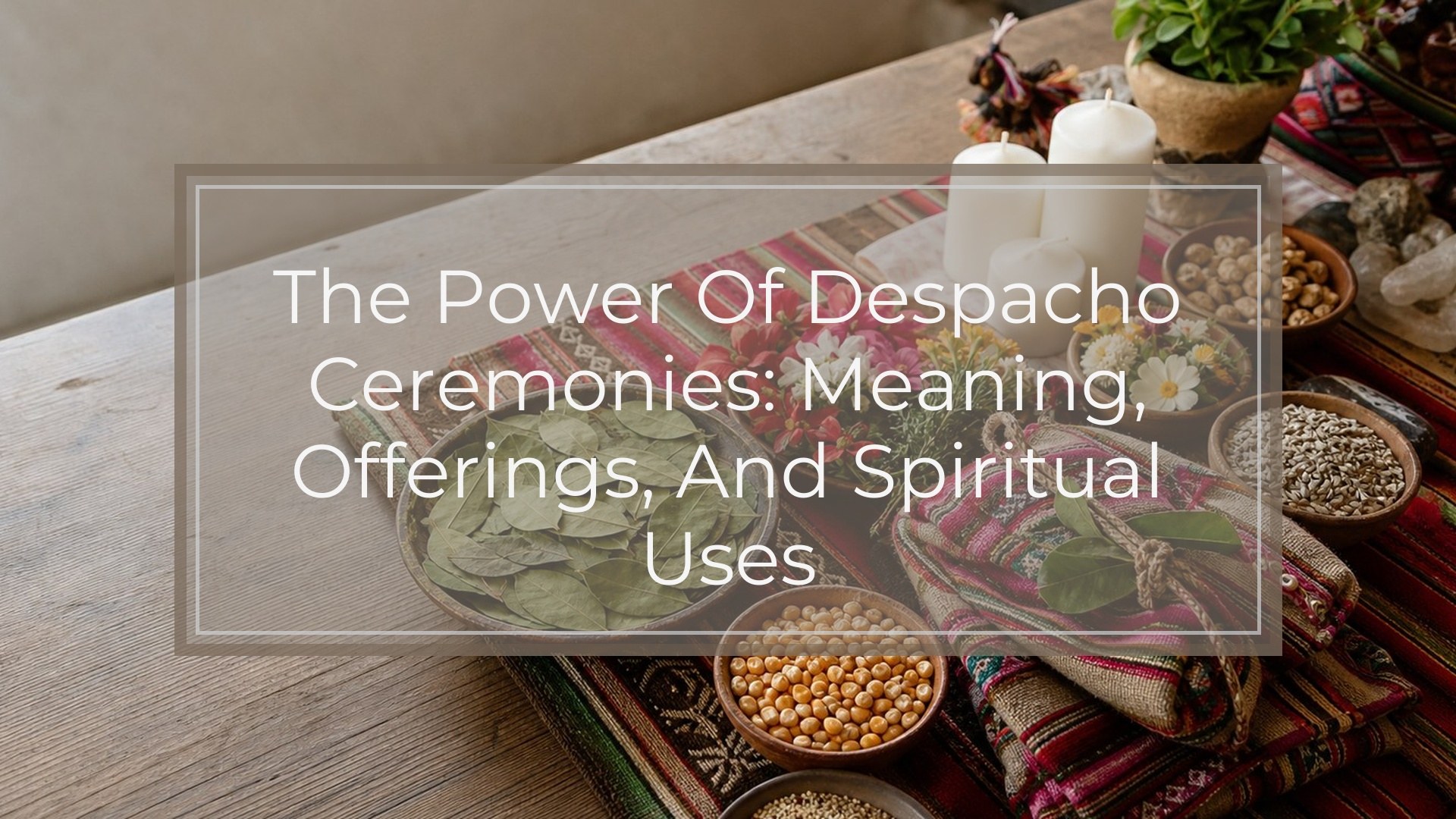
A despacho ceremony is a sacred offering practice rooted in Andean spiritual traditions, especially those that honor reciprocity with Pachamama, the Earth, the Apus, or mountain spirits, and the living web of seen and unseen relations. At its heart, a despacho is a prayer bundle: carefully arranged offerings are placed with intention, gratitude, and request, then returned to the elements through fire, burial, or water according to tradition and guidance.
The power of despacho ceremonies comes from ayni, often understood as sacred reciprocity. Rather than asking without giving, the ceremony restores balance through beauty, humility, and relationship. For people interested in home ritual or ancestor altar practice, despacho ceremonies offer a meaningful model of intentional offering, though they should be approached with cultural respect.
What Is a Despacho Ceremony?
A despacho ceremony is a ritual offering made through a carefully assembled bundle of symbolic items, prayers, and intentions. The word “despacho” can be understood as a dispatch, sending, or offering. In practice, it is a sacred package prepared to communicate with spiritual forces, the Earth, ancestors, and the larger field of life.
Despacho ceremonies are most commonly associated with Andean lineages from Peru and surrounding regions. They are not simply decorative crafts or manifestation tools. They are relational ceremonies, created to give thanks, request support, restore harmony, mark transitions, or honor spiritual obligations.
Why Despacho Ceremonies Matter Spiritually
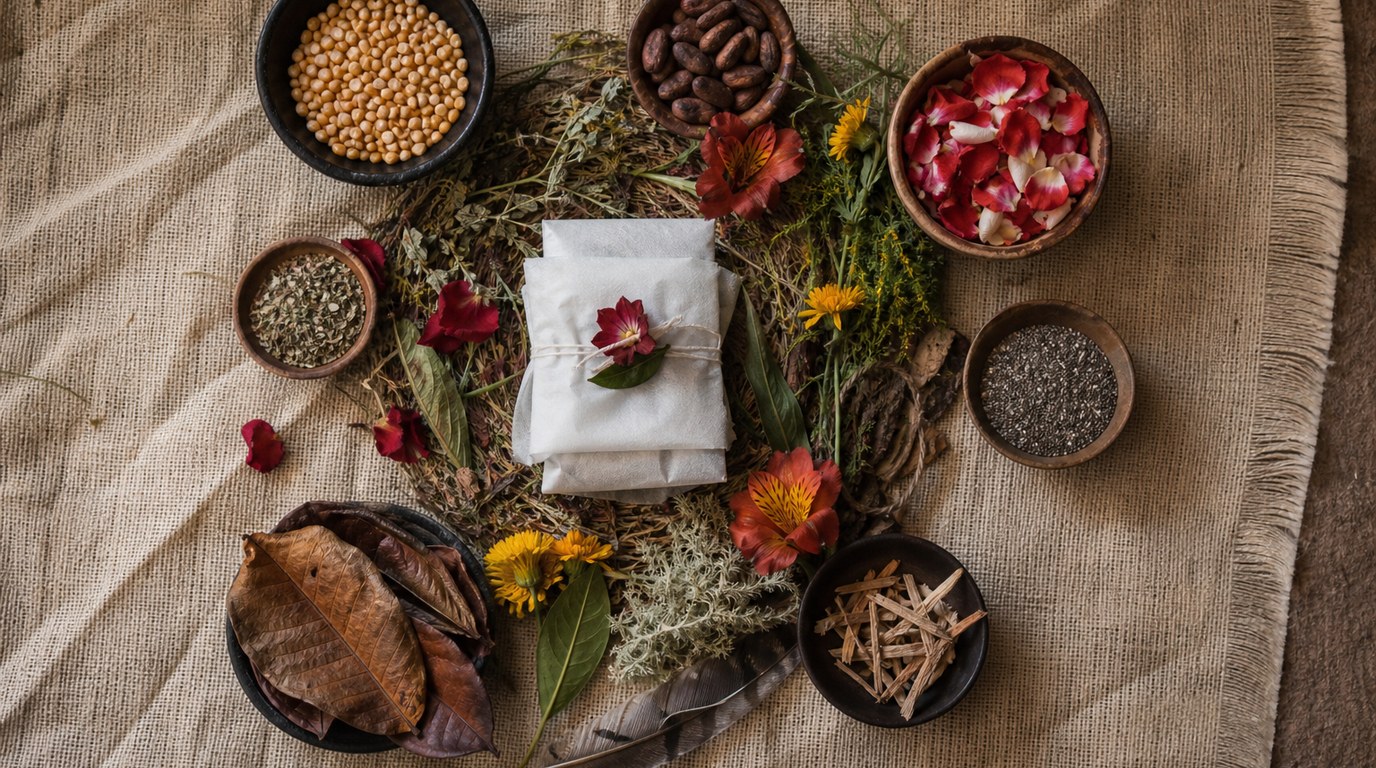
The power of despacho ceremonies lies in their ability to make prayer tangible. Instead of keeping intention only in the mind, the ceremony gives it shape, color, scent, texture, and offering. Each item placed into the bundle becomes part of a living conversation with the sacred.
Spiritually, a despacho teaches reciprocity. It asks the participant to consider: What am I offering back? Where has balance been disturbed? What relationships need care? This can include relationships with land, ancestors, family, community, health, work, or the unseen helpers one honors. The ceremony becomes a bridge between gratitude and transformation.
When a Despacho Ceremony Is Relevant
A despacho ceremony may be relevant during times of transition, healing, grief, gratitude, or renewal. People may seek one before a major life change, after a loss, at the beginning of a new home or project, during seasonal turning points, or when asking for harmony in relationships.
It can also be meaningful when someone feels spiritually disconnected and wants to re-enter relationship with Earth, ancestors, and guiding forces. In traditional settings, the timing and form may be guided by a trained practitioner. For home use, the lesson is to approach offering with sincerity, not imitation.
Key Traits of a Despacho Ceremony
A despacho ceremony has several defining traits. It is intentional, meaning every item is placed with prayer. It is reciprocal, meaning it emphasizes giving as well as receiving. It is symbolic, using physical materials to carry spiritual meaning. It is relational, addressing forces such as Pachamama, ancestors, spirits of place, or divine helpers.
It is also orderly and beautiful. The arrangement is not random; it reflects harmony, balance, and care. Finally, it is released. A despacho is not usually kept permanently. Its purpose is fulfilled when it is offered back to the elements.
What Goes Into a Despacho Offering?
Despacho offerings often include natural, sweet, fragrant, colorful, or nourishing items. These may represent the Earth, abundance, protection, love, community, healing, or spiritual communication. Exact materials vary by lineage, practitioner, region, and intention.
Common elements can include flowers, seeds, grains, sugar, herbs, shells, incense, coca leaves where culturally appropriate and legally available, or symbolic paper items. What matters is not only the object itself, but the prayer placed into it. A humble offering made with respect carries more spiritual integrity than an elaborate bundle made casually or without understanding.
Common Elements in a Despacho Ceremony and Their Meanings
| Element | Common Symbolic Meaning | Example Use |
|---|---|---|
| Flowers or petals | Beauty, gratitude, blessing | Honoring Pachamama, ancestors, or a life transition |
| Grains or seeds | Nourishment, fertility, future growth | Prayers for stability, work, family, or new beginnings |
| Sweets or sugar | Harmony, kindness, sweetness of life | Softening conflict or inviting joy |
| Herbs or incense | Cleansing, prayer, spiritual communication | Preparing the space and carrying intention |
| Shells or water symbols | Flow, emotion, cleansing | Healing grief or restoring emotional balance |
| Thread, ribbon, or colored paper | Connection, direction, order | Binding prayers into a coherent offering |
| Personal written prayers | Direct intention | Naming gratitude, requests, or release |
These examples are general and should not be treated as a fixed formula. In living traditions, meanings may be more specific and are often transmitted through teachers, family lines, or trained ceremonial practitioners.
How a Despacho Ceremony Usually Unfolds
A despacho ceremony usually begins with preparation of the space. The practitioner may open with prayers, breath, song, smoke, or invocations to the Earth, mountains, directions, ancestors, or spiritual allies. A paper or cloth base is laid out, and offerings are added one by one.
Each item is placed with intention. Participants may pray silently, speak aloud, blow prayers into leaves or objects, or focus on gratitude and request. The bundle is then folded with care, forming a contained offering. Depending on the tradition and purpose, it may be burned, buried, or released to water. The closing is important: thanks are given, and the offering is entrusted to the sacred rather than controlled.
Practical Examples of Despacho Ceremony Intentions
A despacho ceremony may be created to give thanks after a difficult year, asking that lessons become wisdom rather than bitterness. It may support a household move by honoring the old home, blessing the new one, and asking for peaceful transition.
Someone grieving may request comfort for the living and blessing for the dead. A family may seek harmony after conflict, placing prayers for patience and repair into the offering. A practitioner may prepare a despacho for the health of land, water, animals, or community. In each case, the ceremony centers relationship, not demand.
Despacho Ceremonies and Ancestor Altars
Despacho ceremonies and ancestor altars can speak to each other, but they are not the same practice. An ancestor altar is usually an ongoing place of relationship, remembrance, and offering. A despacho is a ceremonial bundle created for a specific intention and then released.
For ancestor veneration, the spirit of despacho can inspire greater care: offer beauty, speak clearly, give thanks, and remember reciprocity. If your altar practice is not Andean, you can still learn from the principle of balanced exchange without copying ceremonial forms that are not yours to claim.
Related Ritual Objects and Practices
Related practices include ancestor altar offerings, prayer bundles, gratitude bowls, smoke cleansing, libations, seasonal offerings, and land-honoring rituals. Related objects may include candles, flowers, water, incense, stones, shells, food, written prayers, and cloth.
These practices share a concern with intention and relationship, but a despacho ceremony remains distinct because of its Andean roots, bundled structure, symbolic layering, and formal release to the elements.
Respectful Practice and Cultural Humility
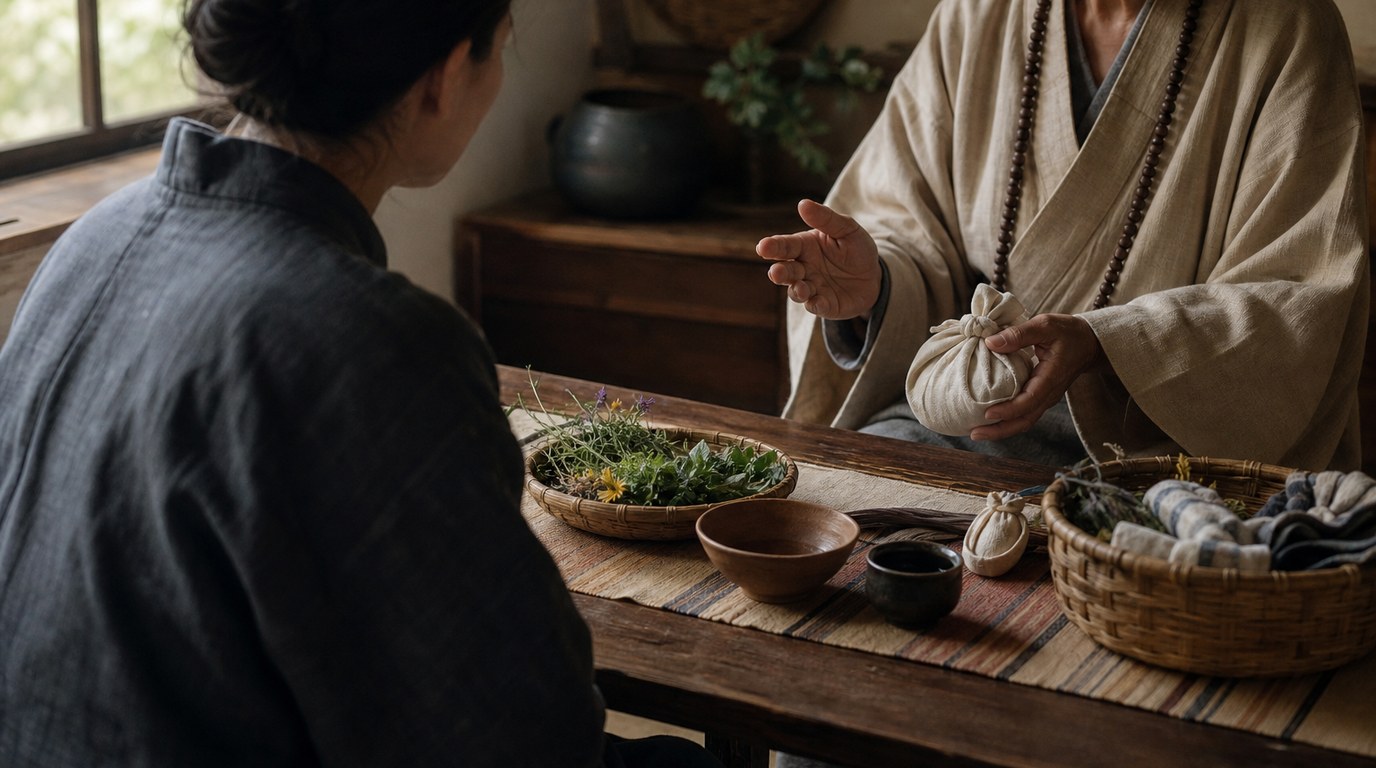
Because despacho ceremonies come from living Andean traditions, they should be approached with humility. Reading about them is not the same as being trained to conduct them. If you feel called to receive or participate in a traditional despacho, seek a respected practitioner with clear lineage, consent, and ethical practice.
This same care helps place despacho work within Andean spiritual traditions, where respect for lineage and consent matters as much as meaning.
For personal home ritual, focus on universal values: gratitude, reciprocity, beauty, and care for the Earth. Avoid presenting yourself as an authority, selling ceremonies without training, or mixing sacred forms casually. Respect protects the power of the practice.
FAQ
What Is the Main Purpose of a Despacho Ceremony?
The main purpose of a despacho ceremony is to create a sacred offering that restores balance between people, the Earth, ancestors, and spiritual forces. It may express gratitude, request healing, mark transition, or renew reciprocity through carefully chosen symbolic offerings and prayer.
Is a Despacho Ceremony Only for Healing?
No. Healing is one common intention, but despacho ceremonies may also be used for gratitude, protection, blessing a home, honoring ancestors, beginning a project, resolving disharmony, or celebrating seasonal change. The deeper purpose is relationship and balance, not only the removal of illness or difficulty.
Can I Do a Despacho Ceremony at Home?
You can create a simple home offering inspired by values such as gratitude and reciprocity, but a traditional despacho ceremony should be respected as a culturally rooted Andean practice. If you want an authentic ceremonial despacho, learn from or work with a properly trained practitioner.
What Happens to the Despacho After the Ceremony?
After the offering is assembled, it is usually released to the elements. Depending on the tradition, intention, and guidance, it may be burned, buried, or offered to water. This release completes the prayer by giving the bundle back to the sacred forces being honored.
How Is a Despacho Different from an Ancestor Altar Offering?
An ancestor altar offering is usually placed at an ongoing altar as part of continued relationship with the dead. A despacho is a specific ceremonial bundle created for an intention and then released. Both involve offerings, but their structure, timing, and cultural roots are different.