
Introduction: Why People Ask About Dieta
People often ask “why do a dieta” when they are preparing for ceremony, learning about plant-spirit traditions, or exploring spiritual discipline. The word can sound mysterious, especially when described only through strict food rules or retreat practices. But a dieta is not simply a trend, a wellness challenge, or a test of willpower. In many traditions, it is a way of creating space: physically, emotionally, spiritually, and relationally.
In simple terms, people do a dieta to focus their body, mind, and spirit for spiritual learning, healing, protection, or relationship with a plant, deity, ancestor, or sacred practice. A dieta may include food restrictions, sexual abstinence, solitude, prayer, silence, ritual bathing, or avoiding certain social influences. The exact meaning depends on the lineage or community guiding it. Some people understand dieta as preparation; others see it as devotion, purification, or energetic alignment. It should not be treated as a guaranteed path to visions, healing, or power. At its heart, a dieta is a disciplined container for listening more deeply.
What Is a Dieta?
A dieta is a period of intentional restriction and spiritual focus. The word is often associated with Amazonian plant medicine contexts, where a person may “diet” a plant under the guidance of a healer or lineage. However, the broader idea appears in many spiritual systems: simplify the body, quiet ordinary habits, and become more receptive to sacred instruction.
A dieta is not one universal practice. In one tradition, it may involve bland foods and isolation. In another, it may mean avoiding alcohol, conflict, sex, certain media, or heavy social interaction. Because dieta practices can be lineage-specific, it is best to speak carefully and avoid assuming that one version applies everywhere.
Why Do a Dieta?
People do a dieta for several overlapping reasons. One common purpose is preparation. Before ritual, ceremony, divination, or ancestor work, a dieta may help a person become less distracted and more respectful. By reducing stimulation, the person can enter sacred space with clearer attention.
Another purpose is purification, though this should not be understood only as “detox.” In spiritual language, purification may mean releasing excess noise, emotional reactivity, spiritual heaviness, or habits that interfere with prayer.
A dieta can also be devotional. Choosing restraint may become an offering: “I am willing to make space for this relationship.” In plant-spirit traditions, some people believe dieta opens communication with a plant teacher. In ancestor-veneration contexts, it may help someone listen, dream, pray, or approach the altar with humility.
None of these outcomes are guaranteed. A dieta creates conditions; it does not force spiritual results.
Common Elements of a Dieta
The elements of a dieta vary widely. Some are strict and supervised; others are mild and personal. The point is not to copy rules without context, but to understand how restrictions can support focus and respect.
| Element | Possible Purpose |
|---|---|
| Simple foods | Reduce stimulation and support discipline |
| Avoiding alcohol or drugs | Maintain clarity and spiritual protection |
| Sexual abstinence | Conserve energy or maintain ritual boundaries |
| Solitude or silence | Deepen listening and reduce outside influence |
| Prayer or offerings | Keep the dieta connected to sacred intention |
| Avoiding conflict | Protect emotional and energetic balance |
In traditional settings, these rules may be given by an elder, healer, priest, or ritual specialist. In personal practice, they should be realistic, safe, and aligned with one’s health needs.
Dieta in Spiritual and Ancestor-veneration Contexts
For ancestor veneration, a dieta can be understood as a way of approaching the ancestors with steadiness and respect. Someone may simplify food, avoid intoxicants, keep a clean altar, pray daily, or reduce gossip and conflict for a set period. These actions are not about proving worthiness. They are about becoming attentive.
Many people find that restraint helps them notice dreams, memories, emotions, or family patterns more clearly. From a spiritual perspective, this may be interpreted as the ancestors drawing near or offering guidance. From a practical perspective, quieting daily habits can make reflection easier. Both views can coexist respectfully.
Examples of Dieta Practices
Examples can help, but they should not be treated as universal instructions. A person preparing for ancestor prayers might choose three days without alcohol, heavy foods, or unnecessary arguments, while lighting a candle and offering water each morning.
Someone entering a plant medicine retreat may be asked to avoid salt, sugar, pork, spicy foods, sex, and certain medications, depending on the tradition and safety requirements. This should be guided by qualified practitioners and medical awareness.
A home-based devotional dieta might be simple: no social media before morning prayer, plain meals for one week, daily journaling, and offerings at the altar. Another person may observe a grief-focused dieta after a death, choosing quiet, clean clothing, simple food, and nightly prayers for the departed.
Common Misconceptions About Dieta
One misconception is that dieta is just fasting. Fasting may be part of some diets, but many dietas include eating regular, simple meals. The emphasis is usually discipline and spiritual focus, not starvation.
Another misconception is that stricter is always better. Extreme restriction can become unsafe, prideful, or disconnected from the original spiritual purpose. A dieta should support humility, not ego.
Some people believe a dieta automatically produces visions or healing. In many traditions, experiences are possible, but they are not guaranteed and should not be demanded.
It is also mistaken to treat all dietas as the same. A Shipibo-style plant dieta, a Catholic devotional fast, and an ancestor-focused home practice may share themes but belong to different worlds of meaning.
How to Approach a Dieta Respectfully and Safely
Approach a dieta with clear intention, not spiritual ambition. Ask: What relationship am I honoring? What am I preparing for? What restrictions are appropriate for my body, responsibilities, and tradition?
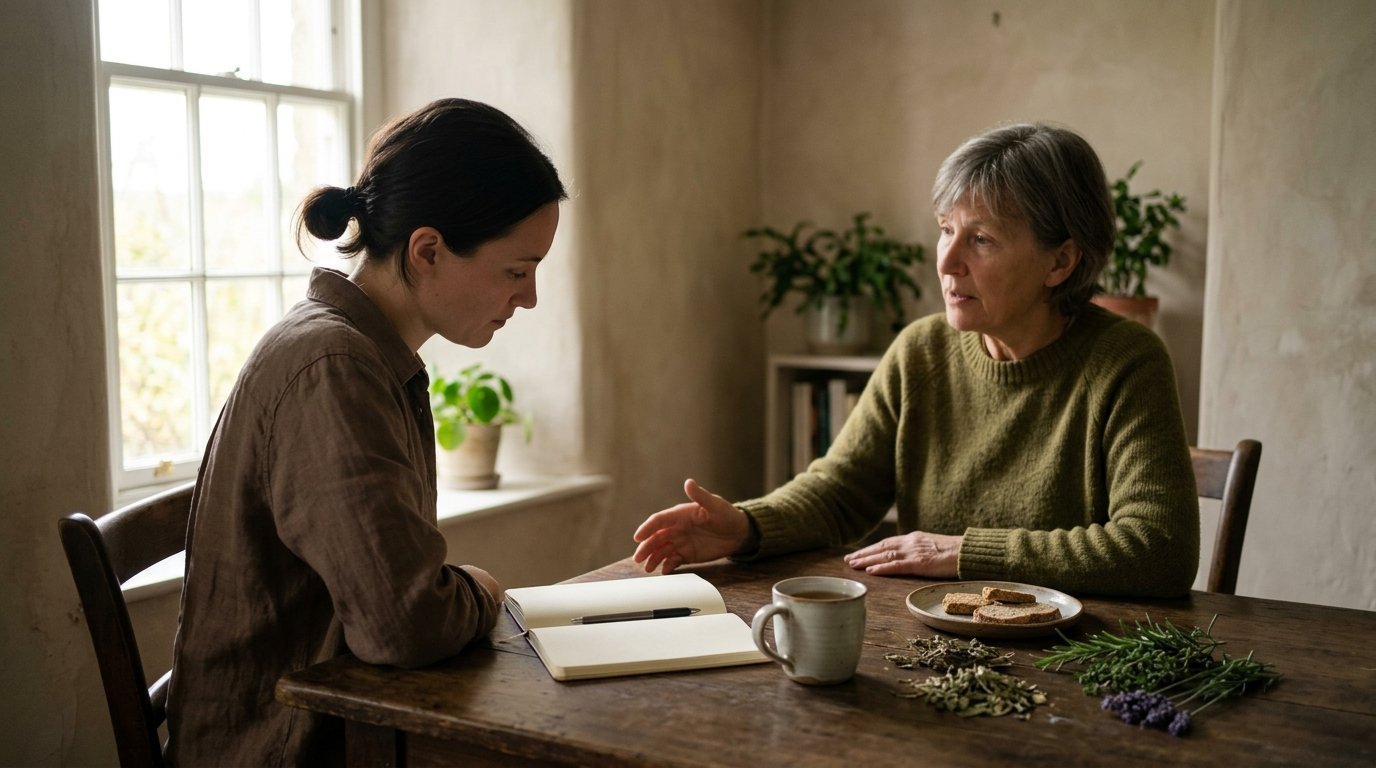
If the dieta comes from a specific lineage, follow qualified guidance rather than mixing rules from the internet. If you have medical conditions, take medications, are pregnant, have a history of eating disorders, or are under significant stress, consult a healthcare professional before any major restriction.
Keep the practice grounded. Choose a defined beginning and end. Make prayer, reflection, and ethical behavior as important as food rules. A dieta without respect, honesty, and care can become empty performance.
What a Dieta Can and Cannot Do
A dieta can help create focus, discipline, and a sacred container. It may support prayer, dreams, emotional clarity, or ritual preparation. In some traditions, it is believed to strengthen spiritual relationships or open communication with plant spirits, ancestors, or guides.
A dieta cannot guarantee healing, protection, visions, initiation, or spiritual authority. It is not a substitute for medical care, therapy, proper training, or ethical responsibility.
Conclusion: the Deeper Reason for a Dieta
So, why do a dieta? At its deepest, a dieta is done to make room. It asks a person to pause ordinary appetites, reduce distraction, and enter relationship with the sacred more carefully. Whether practiced in a traditional ceremonial setting or adapted respectfully for ancestor work at home, its value lies in sincerity, discipline, and listening. The restrictions are not the whole point. They are the doorway into attention.
FAQ
Is a Dieta the Same as Fasting?
No. Fasting means abstaining from food or certain foods, while a dieta is a broader spiritual discipline. Some dietas include fasting, but many allow simple meals. A dieta may also involve prayer, solitude, abstinence, silence, offerings, and behavioral boundaries.
How Long Does a Dieta Last?
The length varies by tradition and purpose. Some last one day, three days, a week, several weeks, or longer. In formal plant-spirit traditions, duration may be assigned by a qualified practitioner. For home ancestor work, shorter and safer commitments are often more appropriate.
Can I Do a Dieta for Ancestor Work?
Yes, if approached respectfully and safely. A simple ancestor-focused dieta might include avoiding alcohol, keeping the altar clean, praying daily, eating plainly, and reducing conflict for a set period. It should be done as an offering of attention, not as a demand for results.
What Happens If I Break a Dieta?
That depends on the tradition and the seriousness of the commitment. In some lineages, breaking a dieta is considered spiritually disruptive and may require cleansing or guidance. In personal practice, respond with honesty: stop, reflect, make amends if needed, and avoid harsh self-punishment.
Is a Dieta Safe for Everyone?
No. Restrictive practices may be unsafe for people with certain medical conditions, medication needs, pregnancy, eating disorder history, or high stress. A dieta should never endanger the body. When in doubt, seek medical advice and choose gentler spiritual disciplines.