
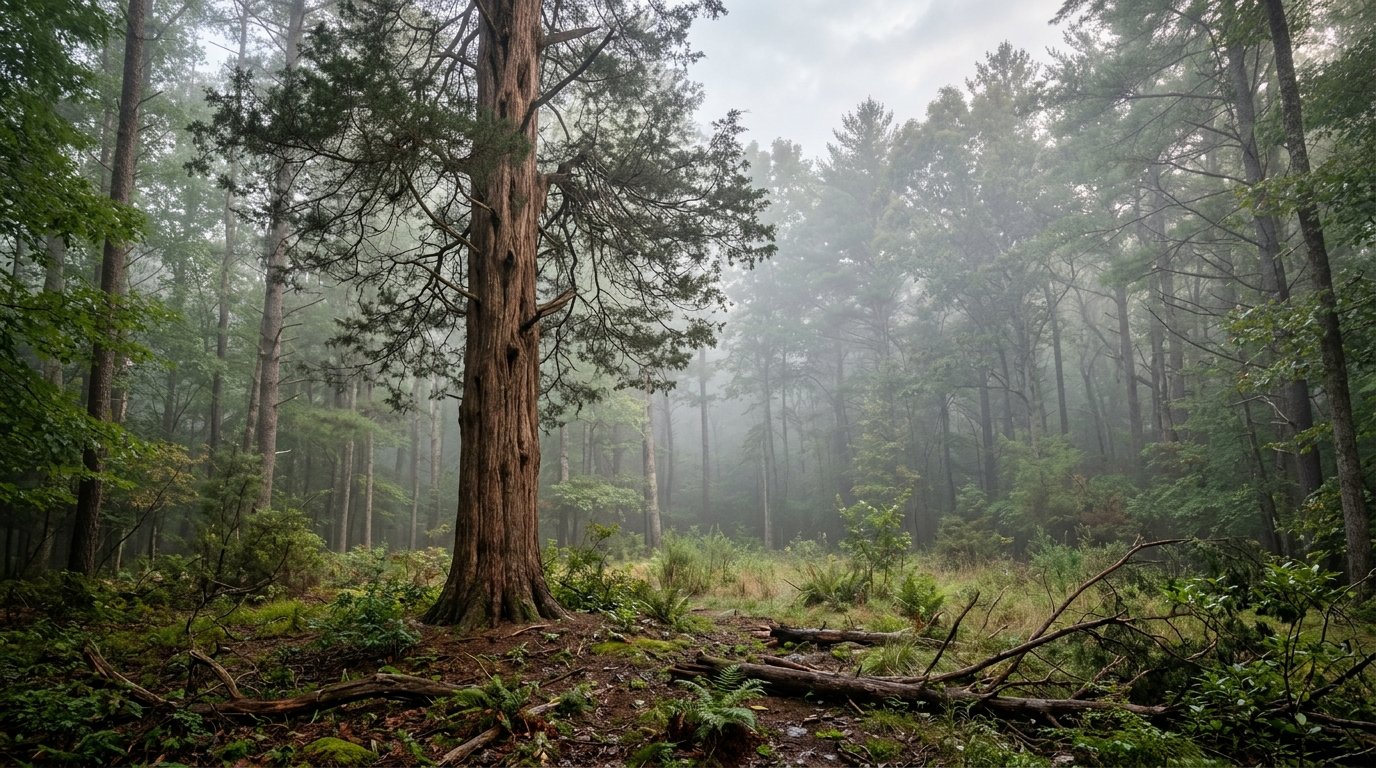
The legend of the cedar tree, a Cherokee legend often shared in different retellings, presents cedar as more than a tree. It is remembered as a sacred symbol of protection, endurance, spiritual presence, and the continuing bond between the living and those who came before. Because Cherokee stories belong to a living people and oral tradition, no single online version should be treated as the only “official” form. Still, the core lesson is clear: cedar carries spiritual weight. It reminds people to honor life, remember ancestors, and recognize the sacred within the natural world. For ancestor work, the cedar tree can be approached as a symbol of reverence rather than as something to imitate ceremonially.
What Is the Cherokee Legend of the Cedar Tree?
The Cherokee legend of the cedar tree is a traditional story explaining why cedar is regarded with deep respect. In many tellings, cedar becomes sacred because it is connected with prayer, protection, memory, or the presence of the beloved dead. The tree stands as a living sign that spiritual care does not end with physical death.
A helpful mental model is this: the cedar tree is not only “about nature.” It is a bridge symbol. It points toward relationship between people and land, between the living and ancestors, and between ordinary life and sacred responsibility.
Because Cherokee traditions are living traditions, it is important to approach the story with humility. Different families, communities, books, and storytellers may preserve different details. The purpose of learning about the legend should not be to claim ownership of it, but to understand its meaning with respect.
A Respectful Retelling of the Cedar Tree Story
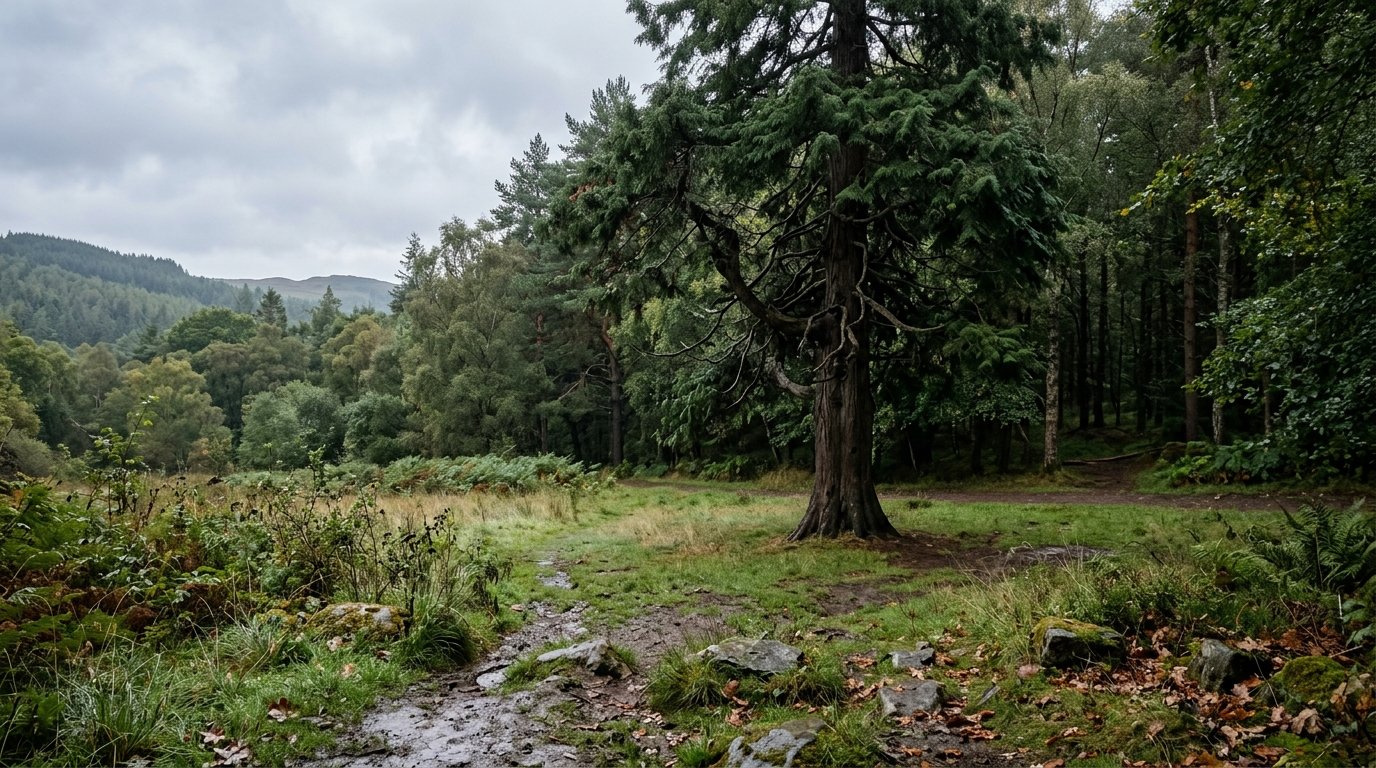
One common version of the cedar tree legend tells of a time when people were grieving. Someone beloved had died, and the loss was heavy. The people mourned, and from that grief came a sign of continuing presence. A cedar tree grew, or was given a special place, as a reminder that love and spirit remain near even when a person is no longer seen in the body.
In this kind of retelling, the cedar is not random. Its evergreen nature matters. While other trees change dramatically with the seasons, cedar remains green. It carries a sense of life that endures through cold, darkness, and hardship. Its fragrance also makes it memorable; it can mark a place, a moment, or a feeling of sacred attention.
The story teaches that death does not erase relationship. Memory can take root. The natural world can become a place where grief is held and transformed. Cedar becomes a sign that those who came before are not forgotten.
This is a simplified retelling, not a replacement for Cherokee storytellers, elders, or community sources. Its value here is to point toward the legend’s broad symbolic themes.
Why Cedar Is Considered Sacred in Cherokee Symbolism
Cedar is considered sacred in Cherokee symbolism because it represents qualities that are spiritually important: protection, purification, strength, remembrance, and continuity. Its evergreen branches suggest endurance. Its scent suggests cleansing and sacred attention. Its long life suggests rootedness and connection across generations.
In many cultures, trees are symbols of relationship between earth and sky, but cedar has a specific place in Cherokee meaning that should not be flattened into a generic “tree of life” idea. The cedar’s sacredness comes from its role within Cherokee tradition, story, and practice.
For readers outside Cherokee communities, the best approach is reverent learning. Cedar can be appreciated as a symbol of spiritual protection and ancestral memory without claiming Cherokee identity, performing Cherokee ceremony, or treating the legend as decorative content.
Major Meanings of the Cedar Tree in the Legend
The cedar tree carries several connected meanings in the legend.
First, cedar symbolizes protection. Its presence is often understood as spiritually guarding or sheltering. In symbolic terms, it marks a boundary between what is ordinary and what deserves reverence.
Second, cedar symbolizes remembrance. Because the legend is often linked with grief and continuing presence, the tree becomes a living memorial. It teaches that remembering the dead can be active, tender, and rooted.
Third, cedar symbolizes endurance. As an evergreen, it remains visibly alive when many other plants appear dormant. This makes it a natural image for spiritual strength through sorrow, winter, and change.
Fourth, cedar symbolizes sacred relationship with the land. The tree is not merely a metaphor. It is part of the living world, and the legend encourages attention to nature as spiritually meaningful.
Finally, cedar symbolizes continuity between generations. It reminds people that ancestors are not only names from the past. They are part of the inheritance, responsibilities, and blessings carried forward.
Cedar, Ancestors, and Spiritual Remembrance
For people who maintain ancestor altars or home remembrance spaces, the cedar tree legend offers a gentle lesson: memory needs tending. Just as a tree grows through roots, trunk, branch, and seed, ancestral remembrance grows through regular attention.
This does not mean copying Cherokee rituals. Instead, cedar symbolism can inspire a broader practice of respect: keeping a clean remembrance space, speaking ancestors’ names, offering gratitude, and honoring the land where you live.
If you use cedar on an ancestor altar, approach it as your own symbolic offering unless you are part of a tradition that teaches specific uses. A cedar branch, image, or scent can represent protection, continuity, and living memory.
How to Reflect on the Cedar Tree Legend Respectfully

To reflect on the cedar tree legend respectfully, begin with gratitude rather than extraction. Ask what the story teaches about grief, memory, and responsibility. Notice how it invites reverence for both ancestors and the natural world.
You might journal on questions such as: What do I want to keep alive through remembrance? How do my ancestors continue through my actions? What protection does my home or altar need?
Avoid presenting yourself as practicing Cherokee ceremony if you are not taught or authorized within that context. Respectful reflection honors the lesson without claiming the tradition.
Common Misunderstandings About the Legend
A common misunderstanding is that there is one fixed internet version of the legend. Oral traditions can vary, and those variations matter.
Another mistake is treating cedar as a generic “Native American symbol.” Cherokee cedar symbolism belongs to Cherokee cultural context.
It is also inaccurate to reduce the legend to decoration or aesthetic spirituality. The story points toward grief, sacred presence, protection, and responsibility. Its meaning is deeper than simply liking the look or scent of cedar.
Key Takeaway: What the Cedar Tree Teaches
The cedar tree in Cherokee legend teaches that sacred memory can remain alive. It represents protection, endurance, ancestral presence, and respect for the living world. For spiritual reflection, cedar invites humility: honor what came before, care for what surrounds you, and remember that grief can become rooted wisdom.
FAQ
What Is the Legend of the Cedar Tree in Cherokee Tradition?
The legend of the cedar tree is a Cherokee story associated with sacred remembrance, protection, and the continuing presence of those who have died. Different retellings exist, so it is best understood as part of a living oral tradition rather than one single fixed text.
What Does the Cedar Tree Symbolize in Cherokee Legend?
Cedar commonly symbolizes protection, endurance, sacred presence, and ancestral memory. Its evergreen nature suggests life continuing through hardship, while its connection with grief and remembrance makes it a powerful sign of love that remains rooted beyond physical death.
Is Cedar Used in Cherokee Spiritual Practice?
Cedar has sacred importance in Cherokee tradition, but specific ceremonial uses should be learned only from appropriate Cherokee sources and community contexts. Outsiders should avoid copying rituals. It is respectful to learn the symbolism without claiming ceremonial knowledge or authority.
Can I Use Cedar Symbolism on an Ancestor Altar?
Yes, if you use it respectfully and do not present it as Cherokee ceremony. Cedar on an ancestor altar can symbolize protection, remembrance, continuity, and reverence. Keep the focus on honoring your own ancestors while acknowledging the cultural source of the cedar legend.