
Quick Answer
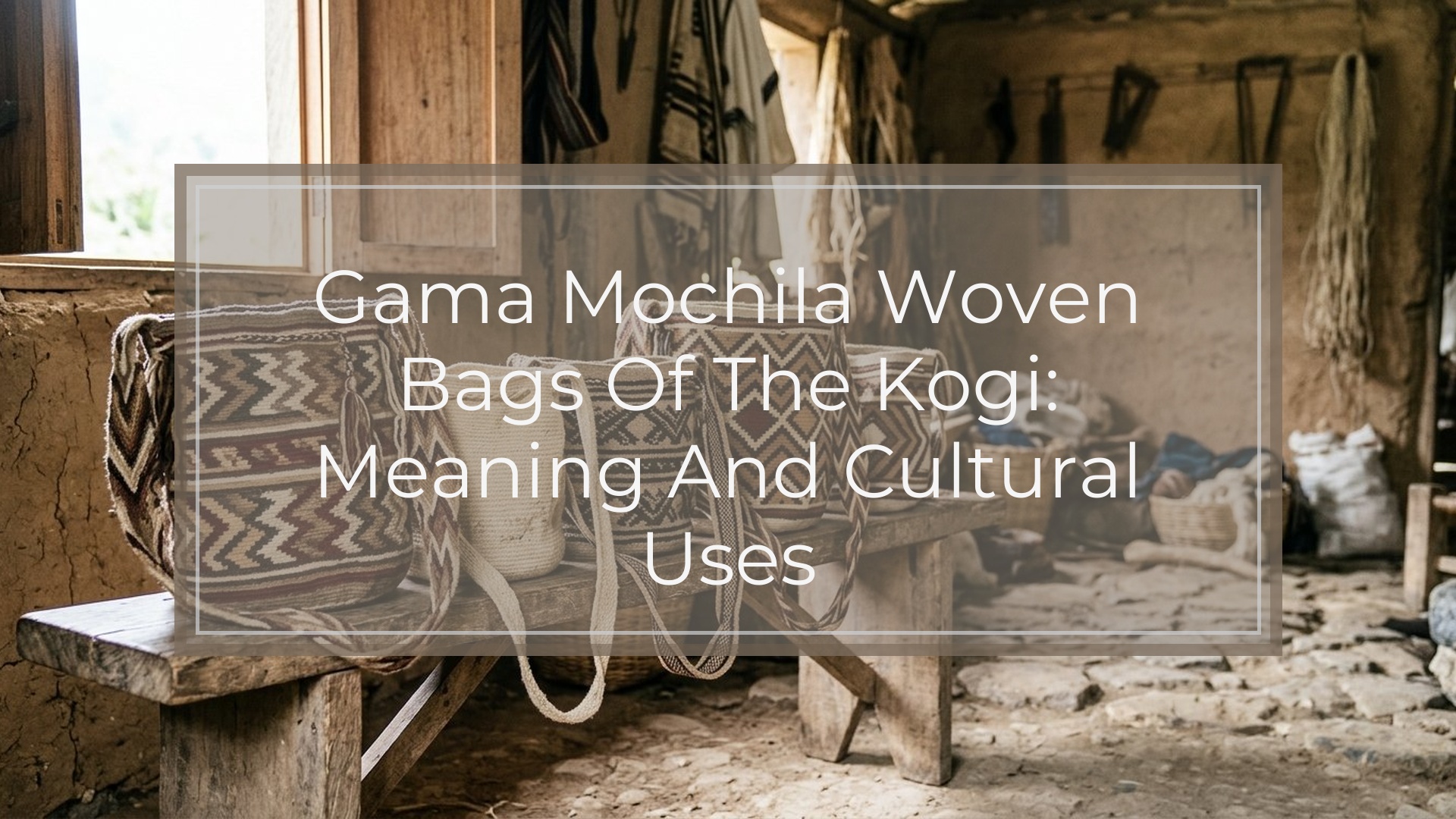
A gama mochila woven bag of the Kogi is a handwoven carrying bag associated with the Kogi people of the Sierra Nevada de Santa Marta in Colombia. Like other Kogi woven bags, it is not only a practical object for carrying daily items; it can also carry cultural meaning connected to identity, labor, relationship, memory, and spiritual order.
The main takeaway is simple: a gama mochila should be approached as a culturally significant woven object, not as a casual “boho” accessory or generic ritual prop. Its value comes from the people, skills, materials, patterns, and living traditions behind it.
For someone interested in ancestor altars, home ritual, or sacred objects, a gama mochila may be relevant as an example of how a functional item can also hold spiritual and communal importance. However, it should not be treated as permission to imitate Kogi ceremonies or claim private Kogi meanings. A respectful approach focuses on learning, ethical sourcing, careful use, and honest context.
In practical terms, a gama mochila may be used or displayed as a meaningful textile, a storage vessel for personal devotional items, or an altar-adjacent object if it was obtained respectfully and if its use does not pretend to reproduce Kogi ritual practice. The key is respect: know what you can know, admit what you cannot, and avoid turning another people’s sacred culture into decoration.
How to Think About This Topic
The best way to understand gama mochila woven bags of the Kogi is to see them as living cultural objects. They are not museum relics, costume pieces, or merely handmade bags. They belong to a wider world of weaving, community knowledge, daily movement, and spiritual responsibility.
The Kogi are an Indigenous people of the Sierra Nevada de Santa Marta, a mountain region that holds deep importance in their worldview. Public information about Kogi culture often mentions balance, reciprocity, and the relationship between human life and the natural world. Still, not every meaning connected to a woven bag is public, and not every pattern or use should be interpreted by outsiders. Respectful uncertainty matters.
A mochila, broadly speaking, is a woven shoulder bag. In Kogi contexts, bags are commonly associated with daily carrying, personal identity, and the labor of weaving. A gama mochila may be recognized through its form, weave, color, pattern, or local naming, depending on the source and community context. Because terms can vary across sellers, collectors, and regions, it is wise to ask where the name comes from and who is using it.
For readers searching this topic, the likely question is not only “What is this bag?” but “How should I relate to it?” That is the right question. Objects made within Indigenous traditions often travel into global markets, spiritual shops, galleries, and private homes. Once they leave their original context, they can be misunderstood. A respectful owner should avoid inventing meanings or using the bag as a shortcut to spiritual authority.
In an ancestor altar or home ritual setting, the gama mochila can be thought of through three lenses:
- Function: It is a bag, made to hold and carry.
- Relationship: It reflects the hands, community, and cultural world of its maker.
- Boundary: It may carry meanings that are not yours to define or perform.
That boundary is important. You can honor the object without claiming ownership of Kogi ceremonial knowledge. You can appreciate the weaving without calling it a “shamanic tool.” You can place it near an altar without pretending it is part of your ancestral tradition unless that connection is real.
Related objects include other Kogi mochilas, Arhuaco mochilas, Wiwa woven bags, and Indigenous Colombian textiles more broadly. These related items should not be flattened into one category. Each people and tradition has its own histories, designs, uses, and protocols.
Practical Guidance
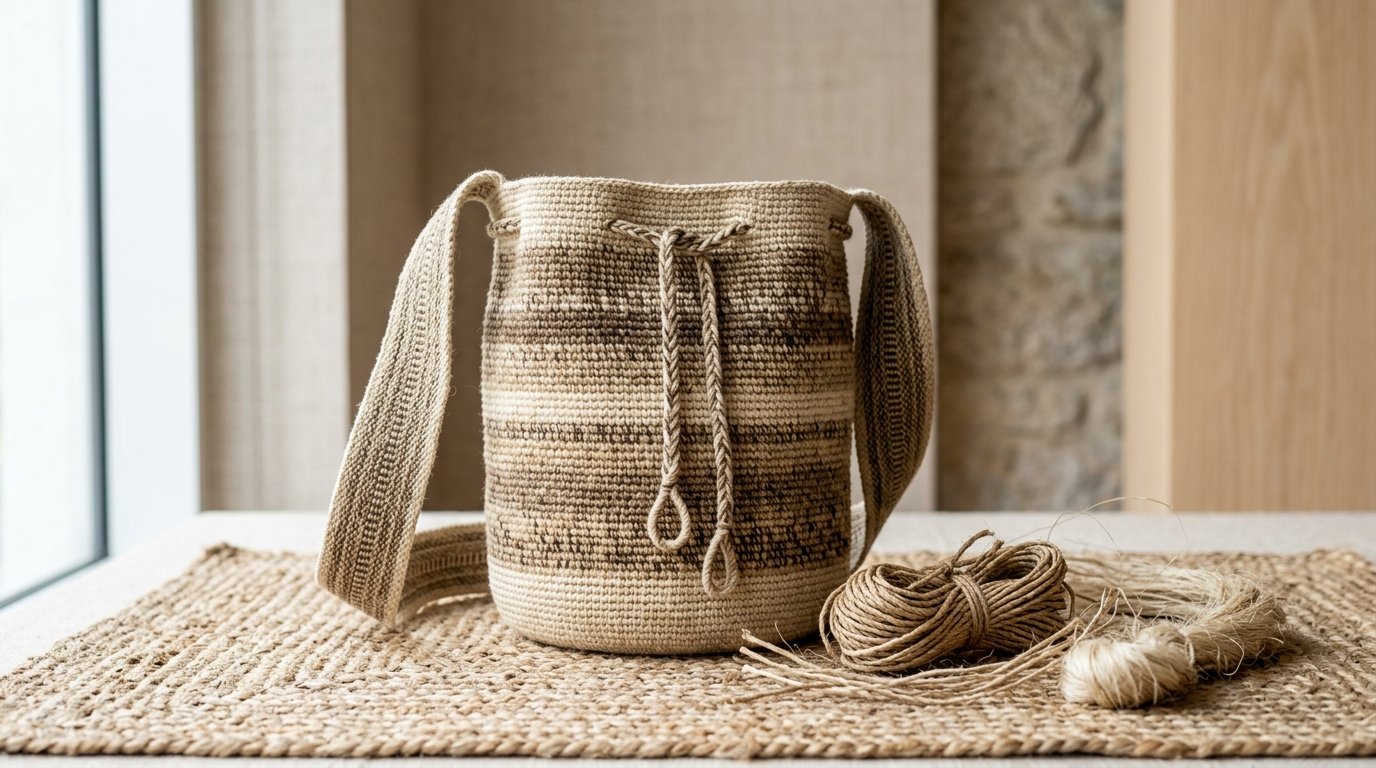
If you are considering acquiring, using, or displaying a gama mochila woven bag of the Kogi, begin with sourcing. The most respectful choice is to buy from a transparent source that can explain who made the bag, how the maker or community is compensated, and whether the sale supports Indigenous artisans directly. Avoid sellers who use vague spiritual marketing, exotic language, or inflated claims about secret powers.
Good questions to ask include:
- Who made this bag, or which community does it come from?
- Is the artisan or cooperative named?
- Was it purchased through a fair trade, direct, or community-supported channel?
- Are the pattern, name, and cultural description explained responsibly?
- Does the seller avoid claiming that the bag gives the buyer spiritual status?
If the answer is unclear, pause. Unclear does not always mean unethical, but it does mean you should not build a strong spiritual story around the item.
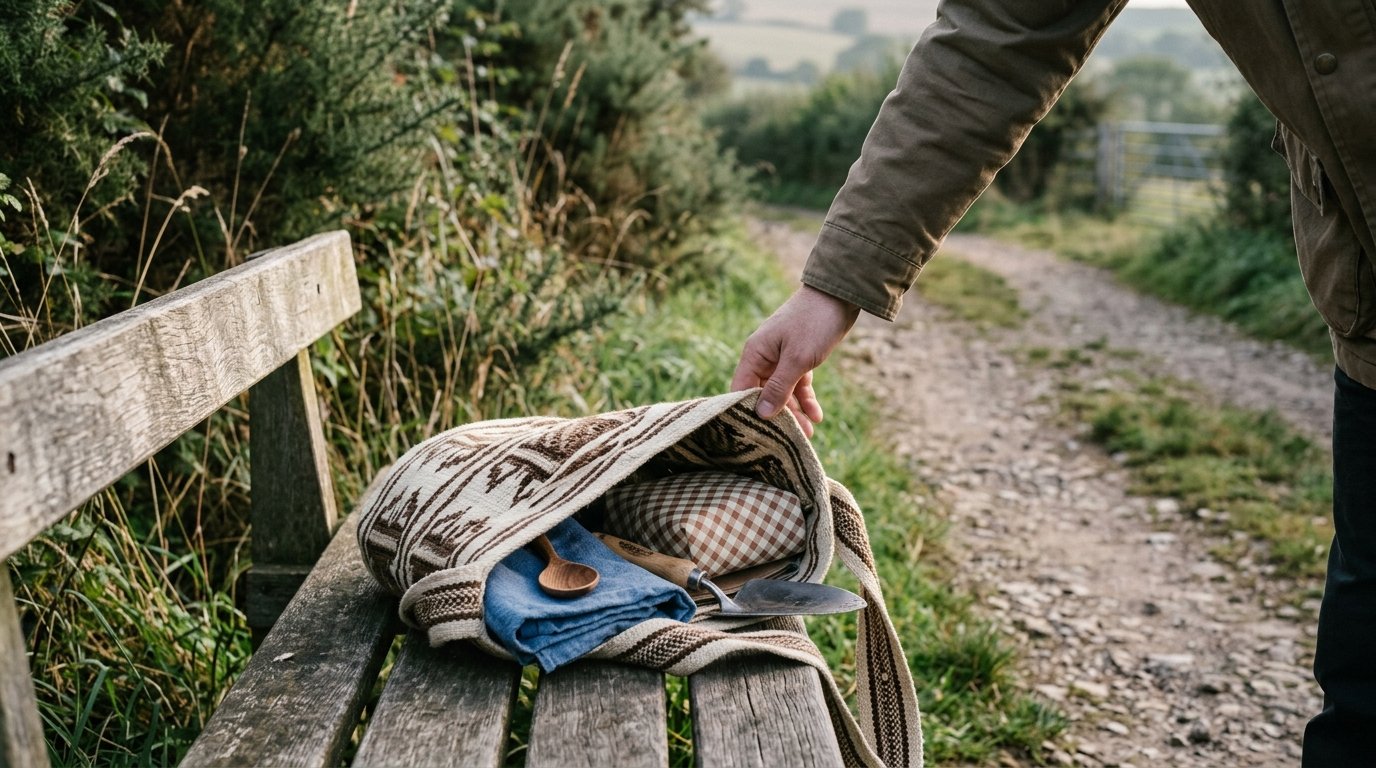
For respectful use, keep the bag’s practical nature in mind. A woven bag can hold personal items, prayer cards, small cloths, beads, written petitions, or offerings that belong to your own practice. If you work with an ancestor altar, you might use it to store letters to ancestors, a clean white cloth, or small objects used for remembrance. This is altar-adjacent use: the bag supports your practice without being redefined as a Kogi ritual implement.
Display can also be respectful when done with care. If the bag is hung near an altar, place it with a simple label or mental acknowledgment: “Kogi woven bag, respectfully sourced, honored as the work of its maker.” Avoid placing it among random “tribal” items as an aesthetic cluster. Do not use it to suggest that your altar is Kogi, unless you are Kogi or have a legitimate community relationship that allows such a claim.
A few practical examples:
- Daily use: You carry the bag gently and explain its origin when asked, without exaggerating its meaning.
- Home altar storage: You keep your own prayer papers or remembrance items inside it, while making no claim that this is a Kogi practice.
- Textile display: You hang it as a respected woven object, away from smoke, dampness, and heavy sun exposure.
- Learning object: You use it as a prompt to learn about Kogi artisanship, land, and cultural survival from reliable sources.
Care matters too. Keep the bag dry, avoid overloading it, and protect it from moths or mildew. If it is older, fragile, or especially finely woven, display may be better than daily carrying. Repairs should be minimal and honest; do not alter the bag to fit a trend.
There are also clear mistakes to avoid. Do not call it a “medicine bag” unless that term comes from the maker or source. Do not invent meanings for patterns. Do not use it in paid ceremonies, spiritual branding, or social media content that implies Kogi endorsement. Do not combine it with sacred claims from unrelated traditions to create a marketable “Indigenous” aesthetic.
The most respectful relationship is grounded and humble: appreciate the object, support the people connected to it where possible, and let the bag remain what it is—a woven vessel with cultural depth, not a prop for someone else’s spiritual performance.
FAQ
What Should a Beginner Know First About Gama Mochila Woven Bags of the Kogi?
Begin with respect. A gama mochila is a woven bag associated with Kogi culture, not just a fashion item. It may be practical, beautiful, and meaningful at the same time. Learn its source, avoid invented symbolism, and do not treat it as permission to perform Kogi rituals.
What Matters Most When Evaluating Gama Mochila Woven Bags of the Kogi?
Ethical sourcing matters most. Look for clear information about the maker, community, cooperative, or seller relationship. Quality of weaving is important, but cultural honesty is just as important. Be cautious of vague claims, exotic marketing, or promises of spiritual power attached to the bag.
What Mistakes Should Readers Avoid with Gama Mochila Woven Bags of the Kogi?
Avoid using the bag as a generic “shamanic” accessory, inventing meanings for its designs, or presenting it as part of your own ancestral practice without a real connection. Also avoid buying from sellers who erase the artisan or use Indigenous identity mainly as a sales tool.
What Is the Next Logical Step After Learning About Gama Mochila Woven Bags of the Kogi?
If you feel drawn to one, research responsible sources before buying. If you already own one, document what you know about its origin, care for it well, and decide how it fits your life honestly—daily use, respectful display, or altar-adjacent storage without claiming Kogi ritual authority.